


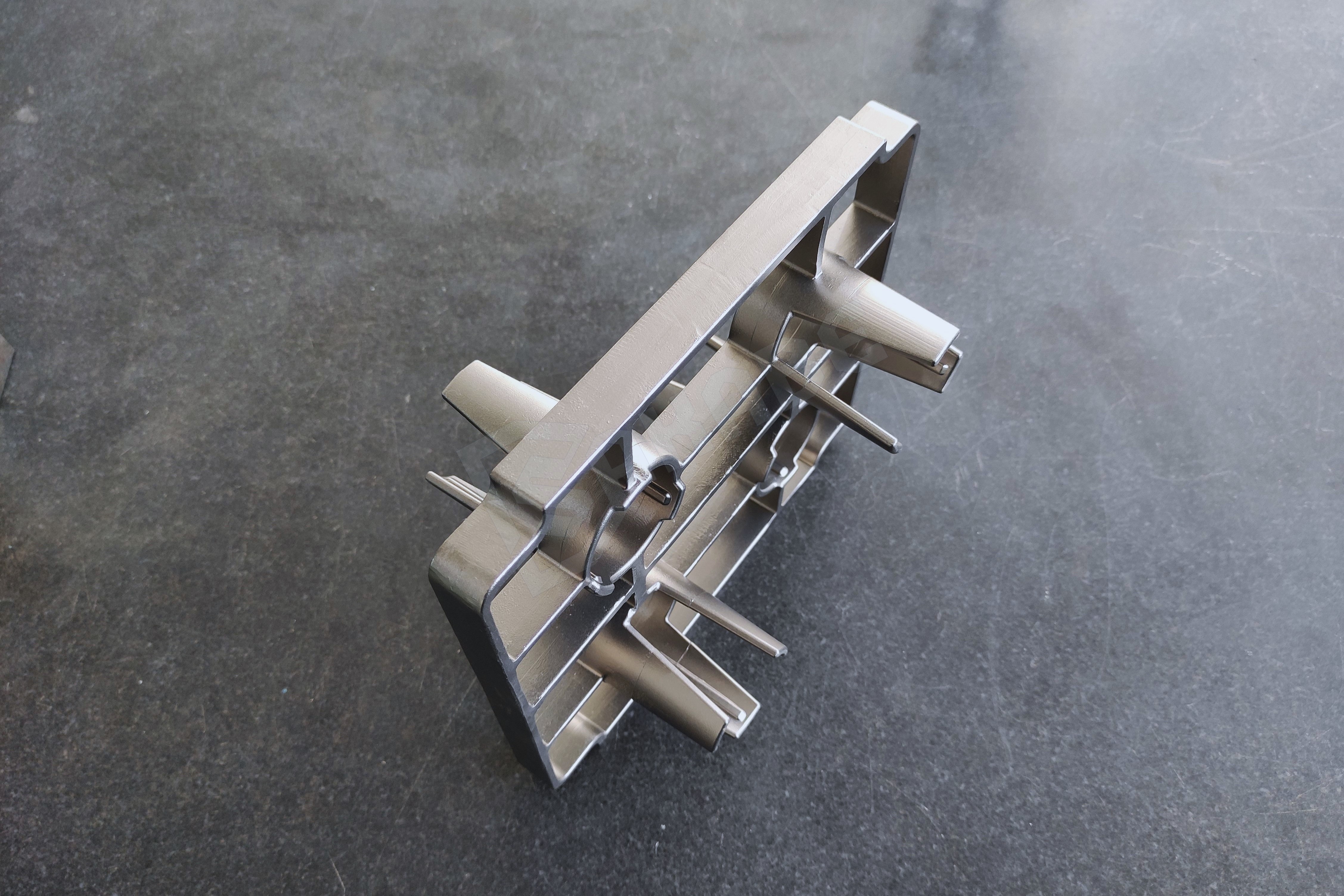
Firstly, die-casting parts are known for their exceptional dimensional accuracy. In the textile industry, where precision is paramount, especially with machinery that requires tight tolerances, die-casting offers a reliable solution. The ability to produce consistent and high-quality parts reduces the likelihood of malfunctions in machinery, which can lead to costly downtime in production lines.
Moreover, the durability of die-casting parts cannot be overstated. These components are typically made from materials such as aluminum, zinc, or magnesium alloys, which provide excellent strength-to-weight ratios. This feature is particularly beneficial in textile machinery, where heavy-duty performance is often required while simultaneously aiming to reduce the overall weight of the equipment.
In addition to strength and accuracy, die-casting can also enhance the efficiency of manufacturing processes. The production speed associated with die-casting is significantly higher compared to traditional methods, making it an attractive option for manufacturers seeking to optimize their operations. Faster production times not only improve throughput but also allow for greater flexibility in responding to market demands.
When considering die-casting parts for textile machinery, manufacturers should also be aware of some important factors. The design of the parts is crucial; intricate designs may require more complex molds, which can increase production costs. Additionally, the cooling rates of different metals can affect the quality of the final product, making material selection an important consideration.
In conclusion, textile machinery die-casting parts play an indispensable role in the manufacturing landscape. Their capacity for high precision, durability, and efficiency makes them a favored choice for developers and manufacturers alike. As the textile industry continues to evolve, the utilization of advanced manufacturing techniques, such as die-casting, will likely grow, driving innovation and enhancing productivity in the field. Understanding these components and their benefits will empower manufacturers to make informed decisions, contributing to the overall success and competitiveness of their operations.
What Are the Advantages of New Metal Injection Molding in Manufacturing
New metal injection molding(MIM) is a cutting-edge manufacturing process that combines the versatility of plastic injection molding with the strength and durability of metal
2025/03/11
The Essential Role of Classy Medical Equipment Parts in Industrial Applications
Classy medical equipment parts are essential for both the functionality and reliability of medical devices. Their high-quality materials, precise engineering, and versatility make them indispensable in the industrial equipment sector
2025/02/27

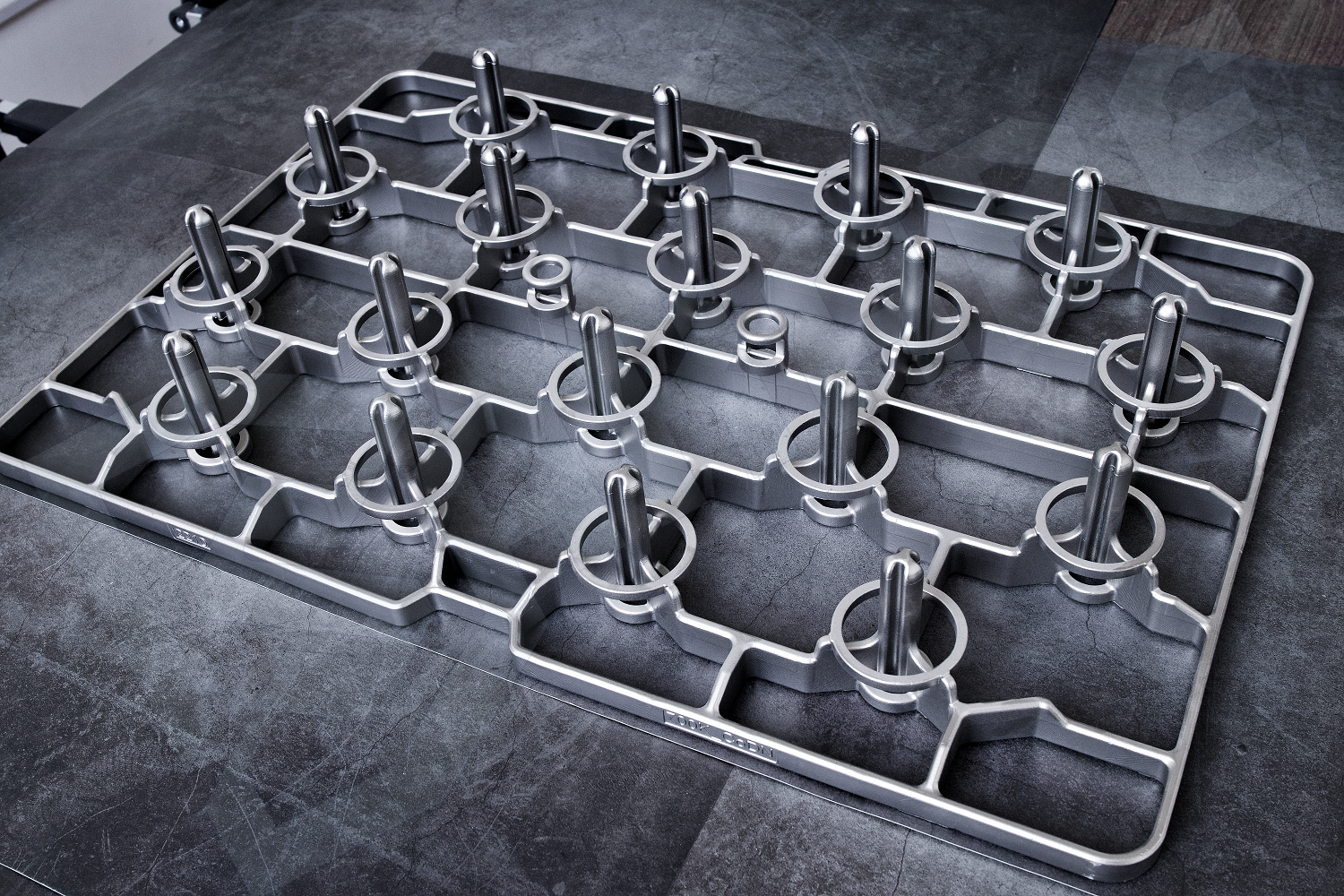
Maximizing Performance with Fancy Heat Treatment Fixtures
Fancy heat treatment fixtures play a pivotal role in maximizing the performance of industrial processes. By understanding their significance, features, and best practices, manufacturers can enhance efficiency and precision in their operations
2025/03/11

Enhancing Healthcare Efficiency with Durable Medical Tool Parts
Durable medical tool parts are fundamental to the effectiveness of various medical devices used in healthcare settings. Their robust construction, coupled with diligent maintenance and quality assurance, ensures that medical equipment operates at peak performance
2025/03/20
CONTACT US
Tel: +86 136-5494-1611
E-mail: alexzheng@sakabe.cn
Office Address:
No.18 Dongbei Qi Street, Jinpu New Area, Dalian, Liaoning, China
Factory Address:
No.26 Fuan Street, Jinpu New Area, Dalian, Liaoning, China
