


Optimizing Precision and Efficiency in Flowmeter Parts Casting
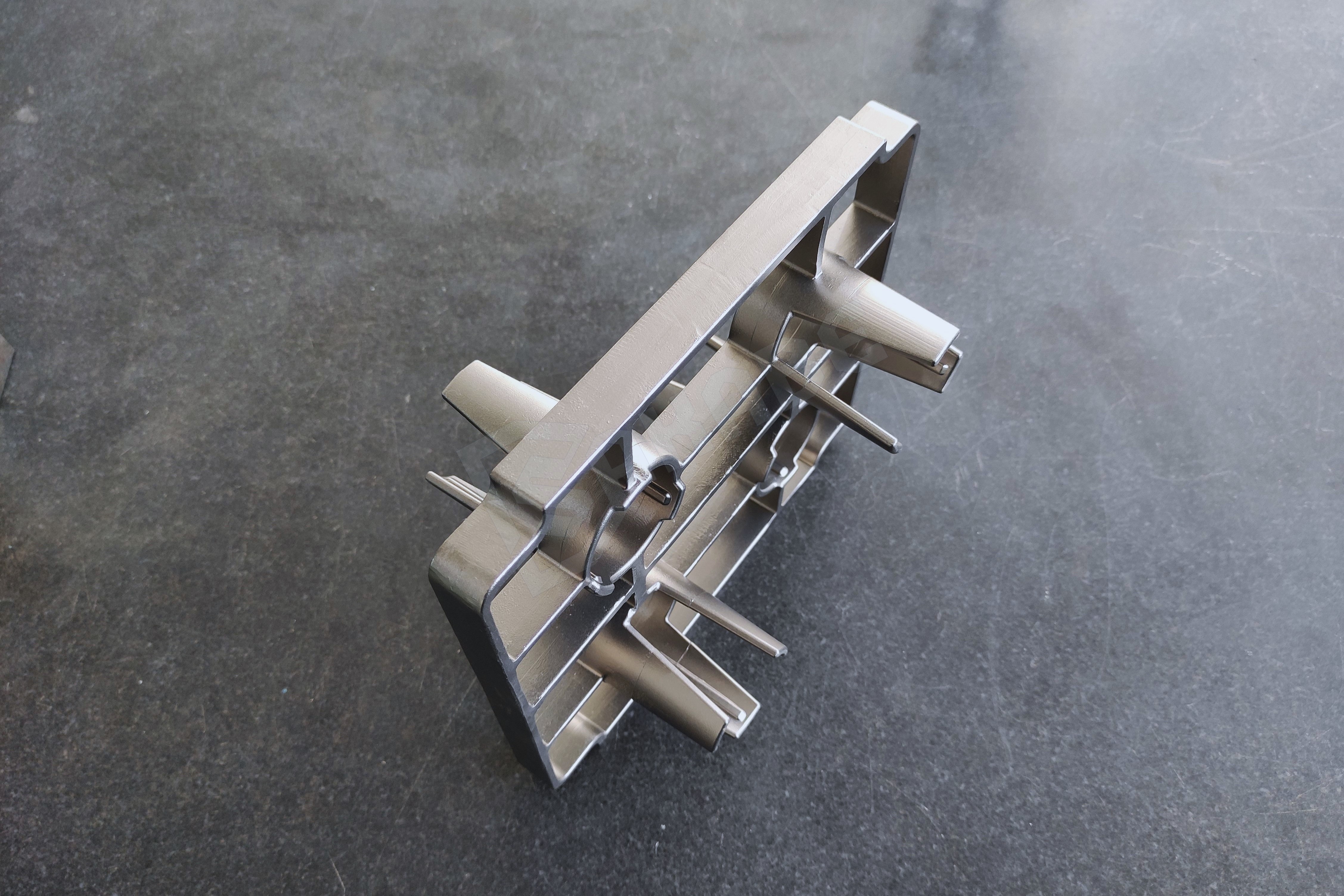
Flowmeters play an essential role in numerous industries, providing precise measurements of fluid flow for various applications. One of the key components of a flowmeter is its parts, which are often manufactured through casting processes. Understanding flowmeter parts casting is crucial for anyone involved in the manufacturing and machining sectors, particularly those focused on mechanical hardware processing, casting, and forging.
Casting is a manufacturing process where liquid material is poured into a mold to solidify into the desired shape. In the context of flowmeter parts, casting allows for the creation of intricate designs that are necessary for accurate fluid measurement. The casting process can utilize various materials, including metals, plastics, and composites, depending on the specific requirements of the flowmeter.
One of the primary advantages of using casting for flowmeter parts is the ability to achieve complex geometries that would be difficult or impossible to fabricate through traditional machining methods. This complexity is vital for ensuring that the flowmeter functions correctly, as even minor deviations in design can lead to significant inaccuracies in flow measurement. Moreover, casting can be more cost-effective than machining for large production runs because it minimizes material waste and reduces the number of machining operations required.
Another important aspect of flowmeter parts casting is the quality of the end product. The casting process can produce components with excellent surface finishes and dimensional accuracy. However, it is crucial to choose the right casting method, such as sand casting, investment casting, or die casting, to achieve the desired specifications. Each method has its own advantages and is suited to different types of flowmeter applications.
Additionally, the selection of materials plays a vital role in the effectiveness of flowmeter parts. High-quality metals and alloys are often preferred for their durability and resistance to corrosion, which are critical factors in maintaining the integrity of the flow measurement over time. Proper treatment and finishing processes further enhance the performance of the cast parts, ensuring they can withstand the environmental conditions they will face in service.
In conclusion, understanding flowmeter parts casting is essential for anyone involved in the manufacturing and machining industries. By leveraging the benefits of casting, manufacturers can produce accurate, durable, and cost-effective flowmeter components that meet the demands of a variety of applications. As the industry continues to evolve, staying informed about advancements in casting technologies and materials will be key to maintaining a competitive edge.
What Are the Advantages of New Metal Injection Molding in Manufacturing
New metal injection molding(MIM) is a cutting-edge manufacturing process that combines the versatility of plastic injection molding with the strength and durability of metal
2025/03/11
The Essential Role of Classy Medical Equipment Parts in Industrial Applications
Classy medical equipment parts are essential for both the functionality and reliability of medical devices. Their high-quality materials, precise engineering, and versatility make them indispensable in the industrial equipment sector
2025/02/27

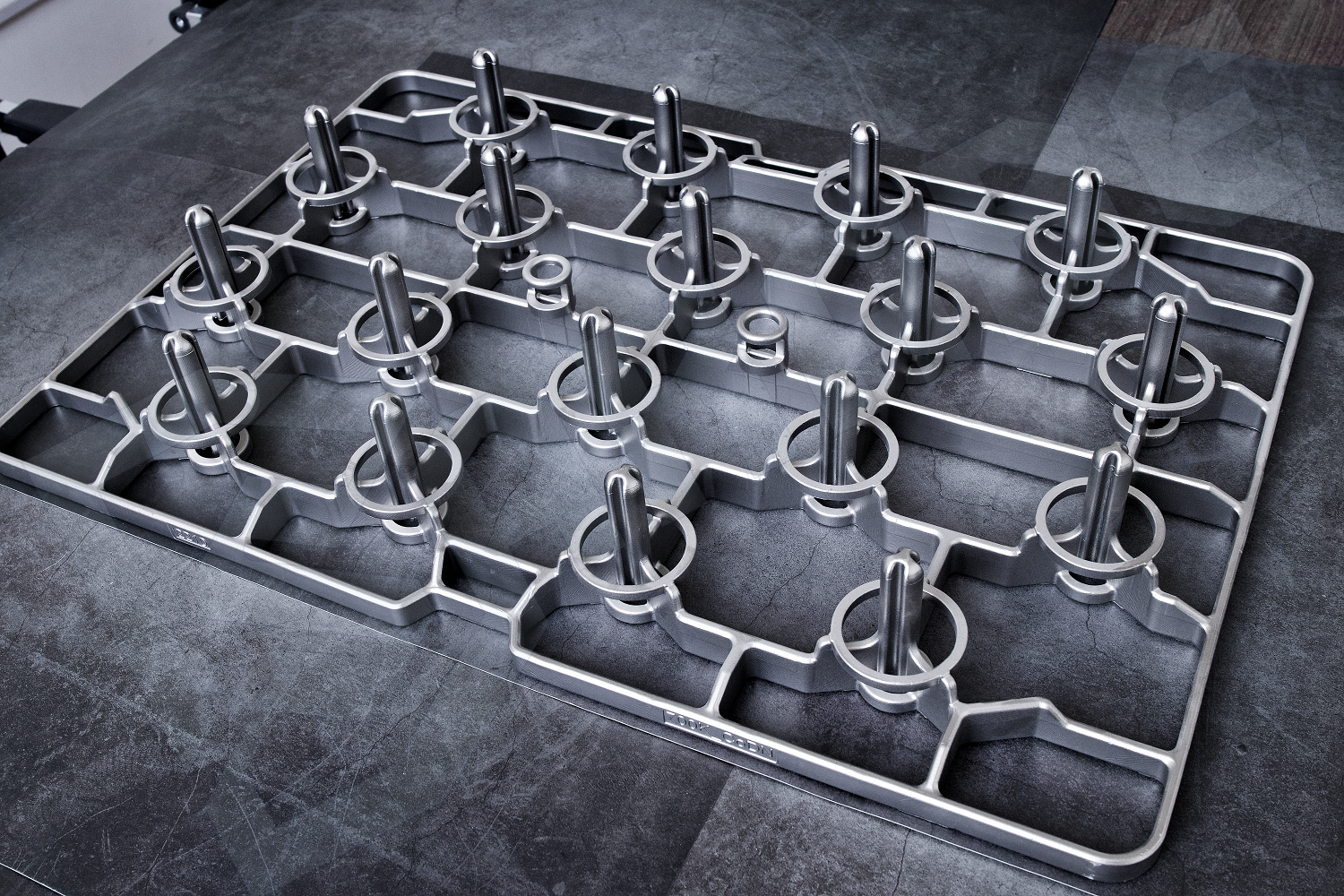
Maximizing Performance with Fancy Heat Treatment Fixtures
Fancy heat treatment fixtures play a pivotal role in maximizing the performance of industrial processes. By understanding their significance, features, and best practices, manufacturers can enhance efficiency and precision in their operations
2025/03/11

Enhancing Healthcare Efficiency with Durable Medical Tool Parts
Durable medical tool parts are fundamental to the effectiveness of various medical devices used in healthcare settings. Their robust construction, coupled with diligent maintenance and quality assurance, ensures that medical equipment operates at peak performance
2025/03/20
CONTACT US
Tel: +86 136-5494-1611
E-mail: alexzheng@sakabe.cn
Office Address:
No.18 Dongbei Qi Street, Jinpu New Area, Dalian, Liaoning, China
Factory Address:
No.26 Fuan Street, Jinpu New Area, Dalian, Liaoning, China
