

**Understanding Heat Treatment Tool Material Tray Frames**
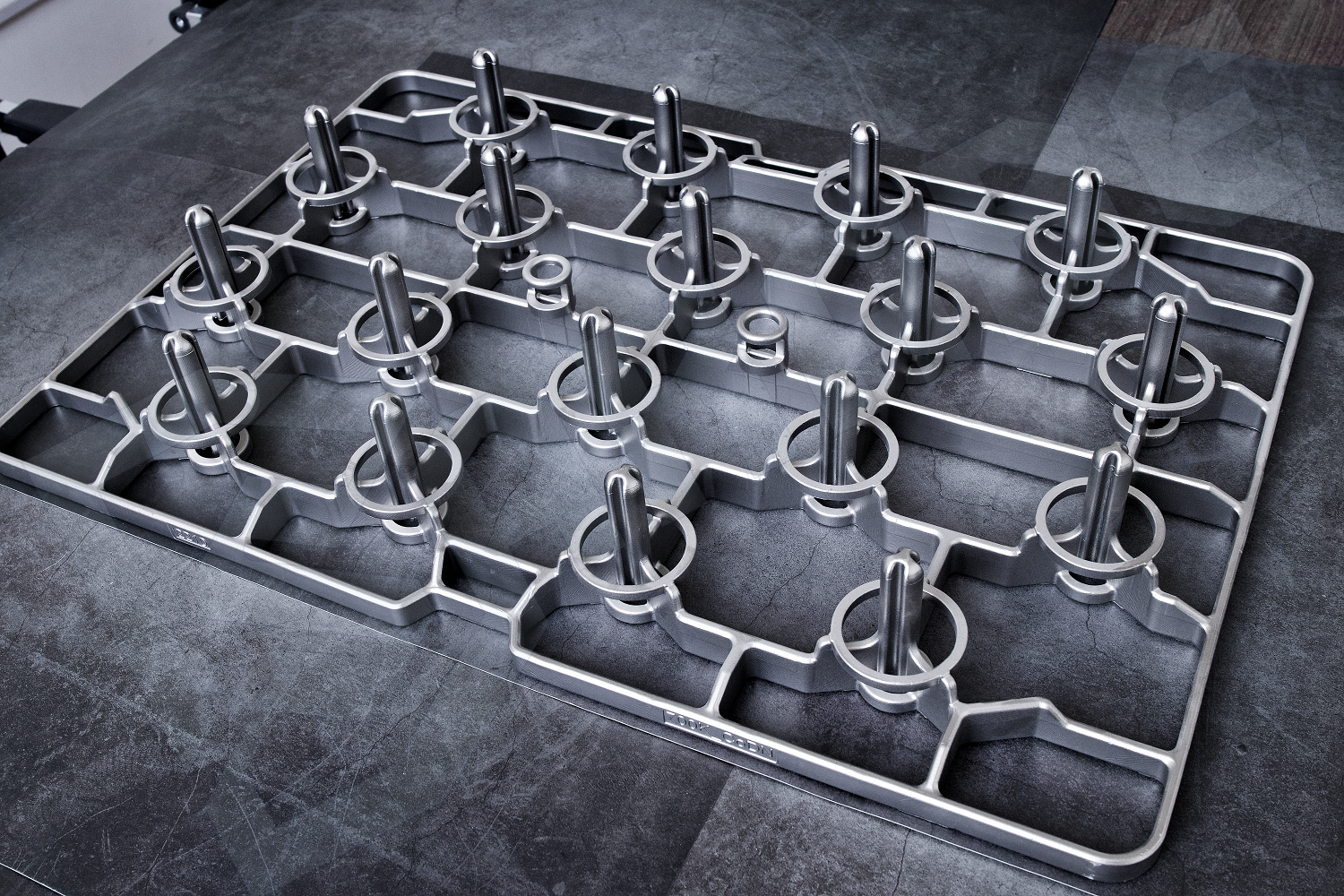
Heat treatment is a process that alters the physical and sometimes chemical properties of a material, usually metals, through heating and cooling. The tray frame used in this process plays a crucial role, as it must withstand high temperatures and the mechanical stresses associated with the treatment process. The materials used for constructing these frames should possess excellent thermal stability, durability, and resistance to oxidation and corrosion.
**Key Materials for Tray Frames**
Typically, heat treatment tool material tray frames are fabricated from high-grade stainless steel or specialized alloys. Stainless steel is favored for its corrosion resistance and strength, while certain alloys can offer better thermal conductivity and heat resistance, essential for maintaining consistent temperatures during treatment.
**Applications of Tray Frames**
In industrial settings, the primary function of heat treatment tool material tray frames is to hold various components securely during the heat treatment processes. This includes components such as gears, shafts, and various machine parts that require specific heat treatment cycles to enhance their mechanical properties. The frames not only support the weight of these components but also maintain optimal spacing to allow for even heat distribution, which is vital for achieving the desired material characteristics.
**Best Practices for Usage and Maintenance**
To maximize the lifespan and efficiency of heat treatment tool material tray frames, consider the following best practices:
1. **Regular Inspections**: Frequent checks for signs of wear or damage can prevent larger issues and ensure safety during operations.
2. **Proper Cleaning**: After each use, it is essential to clean the frames to remove any residues that may affect the next treatment cycle.
3. **Avoid Overloading**: Each tray frame has a specified load capacity. Exceeding this can lead to structural failure and compromise the heat treatment process.
4. **Temperature Monitoring**: Using appropriate sensors to monitor the temperature of the frames can help maintain optimal operating conditions, preventing warping or degradation of the material.
In conclusion, understanding the importance of heat treatment tool material tray frames in industrial applications can significantly impact the efficiency and effectiveness of heat treatment processes. By utilizing the right materials, adhering to maintenance protocols, and ensuring proper application, businesses can enhance their operations and achieve superior outcomes in their casting and heat treatment endeavors.
What Are the Advantages of New Metal Injection Molding in Manufacturing
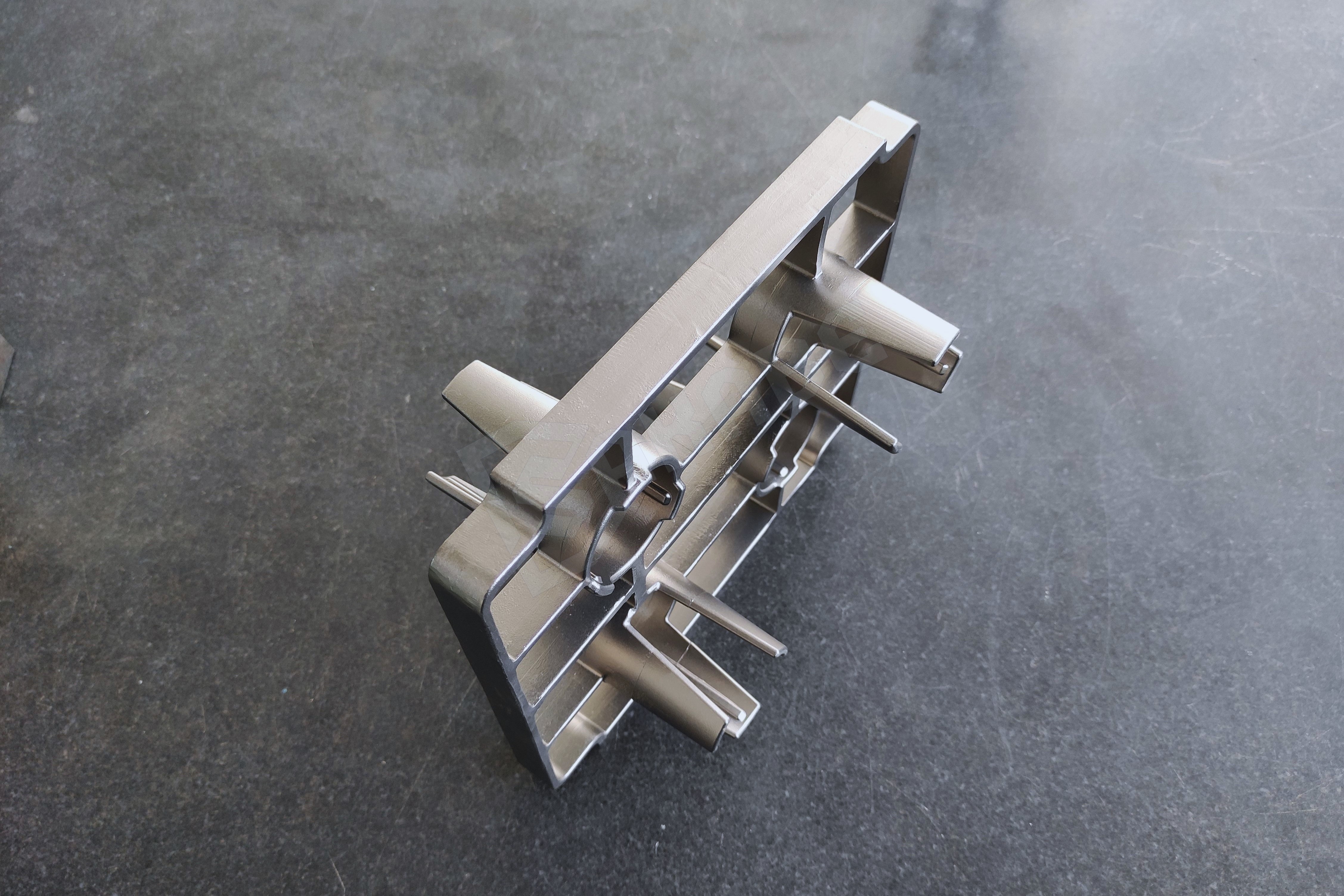
New metal injection molding(MIM) is a cutting-edge manufacturing process that combines the versatility of plastic injection molding with the strength and durability of metal
2025/03/11
The Essential Role of Classy Medical Equipment Parts in Industrial Applications
Classy medical equipment parts are essential for both the functionality and reliability of medical devices. Their high-quality materials, precise engineering, and versatility make them indispensable in the industrial equipment sector
2025/02/27

Maximizing Performance with Fancy Heat Treatment Fixtures
Fancy heat treatment fixtures play a pivotal role in maximizing the performance of industrial processes. By understanding their significance, features, and best practices, manufacturers can enhance efficiency and precision in their operations
2025/03/11

Enhancing Healthcare Efficiency with Durable Medical Tool Parts
Durable medical tool parts are fundamental to the effectiveness of various medical devices used in healthcare settings. Their robust construction, coupled with diligent maintenance and quality assurance, ensures that medical equipment operates at peak performance
2025/03/20
CONTACT US
Tel: +86 136-5494-1611
E-mail: alexzheng@sakabe.cn
Office Address:
No.18 Dongbei Qi Street, Jinpu New Area, Dalian, Liaoning, China
Factory Address:
No.26 Fuan Street, Jinpu New Area, Dalian, Liaoning, China
