


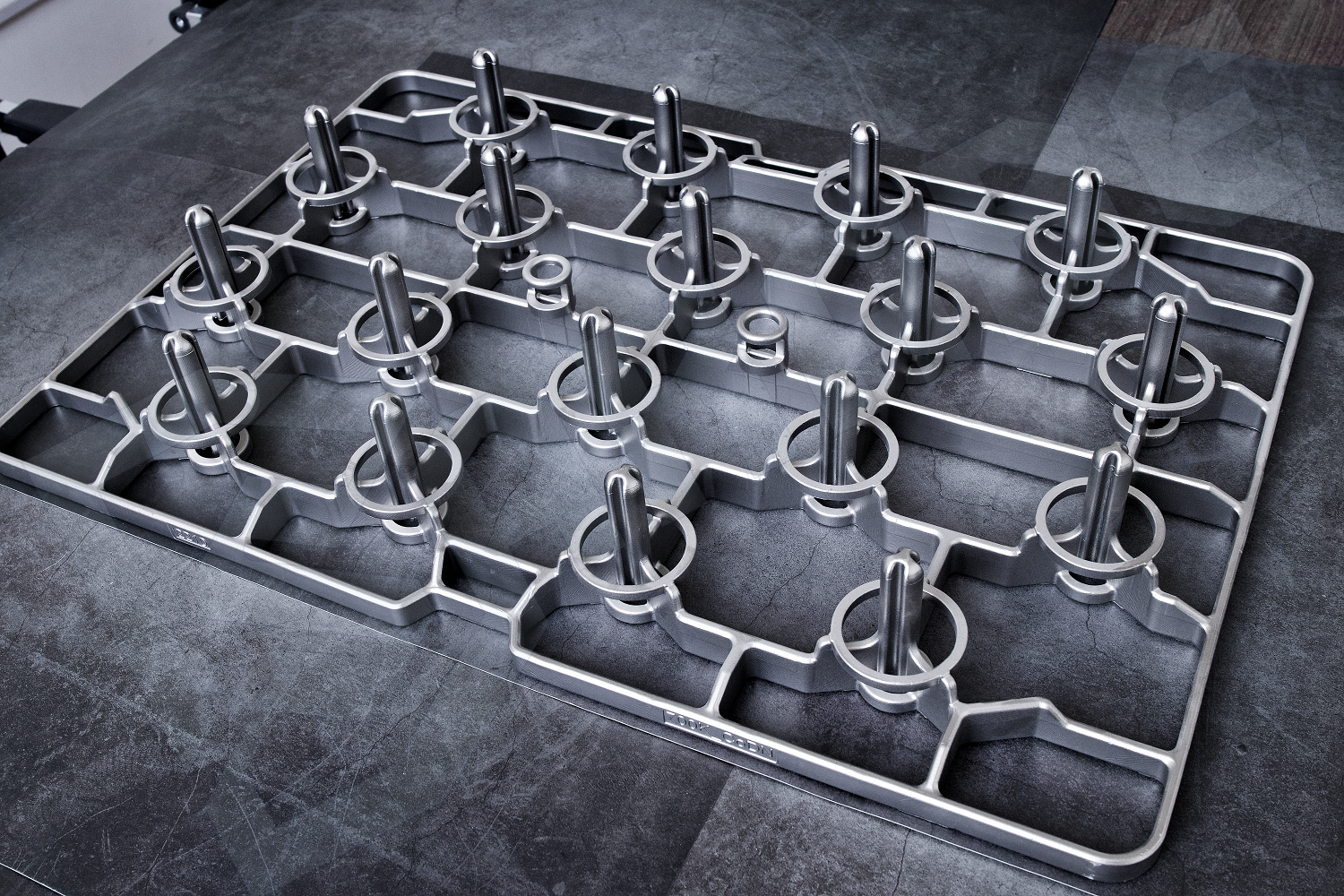
One of the primary benefits of tooling casting is its ability to produce complex geometries that are often required in heat treatment furnace accessories. This process allows for the creation of intricate designs that would be difficult or impossible to achieve with traditional machining methods. The precision that tooling casting offers ensures that the final products meet the stringent requirements of heat treatment processes, where even minor imperfections can lead to significant operational issues.
Materials selection is also a critical factor when it comes to tooling casting for heat treatment furnace accessories. Common materials used include high alloys and specialty steels that can withstand extreme temperatures and corrosive environments. Understanding the properties of these materials and how they interact during the casting process is essential for achieving optimal results. Manufacturers need to consider factors such as thermal conductivity, tensile strength, and oxidation resistance when selecting materials for their tooling casting processes.
Moreover, the tooling casting process can be optimized through advanced techniques such as 3D printing and computer-aided design (CAD). These technologies allow for rapid prototyping and testing of designs, enabling manufacturers to refine their products before full-scale production. The integration of CAD into the tooling casting process facilitates better communication and collaboration among design, engineering, and production teams, ultimately leading to more efficient manufacturing cycles.
In addition to improving product quality and production efficiency, tooling casting also offers economic advantages. By reducing waste and minimizing the need for secondary machining operations, manufacturers can significantly lower production costs. This financial benefit is especially crucial for companies operating in competitive markets where cost-efficiency is vital for maintaining market share.
In conclusion, tooling casting plays a pivotal role in the production of heat treatment furnace accessories. By understanding the advantages of this technique and implementing best practices, manufacturers can enhance their operational efficiency and product quality. As the industry continues to evolve, staying abreast of innovative tooling casting methods and materials will be key for businesses aiming to thrive in the manufacturing landscape.
What Are the Advantages of New Metal Injection Molding in Manufacturing
New metal injection molding(MIM) is a cutting-edge manufacturing process that combines the versatility of plastic injection molding with the strength and durability of metal
2025/03/11
The Essential Role of Classy Medical Equipment Parts in Industrial Applications
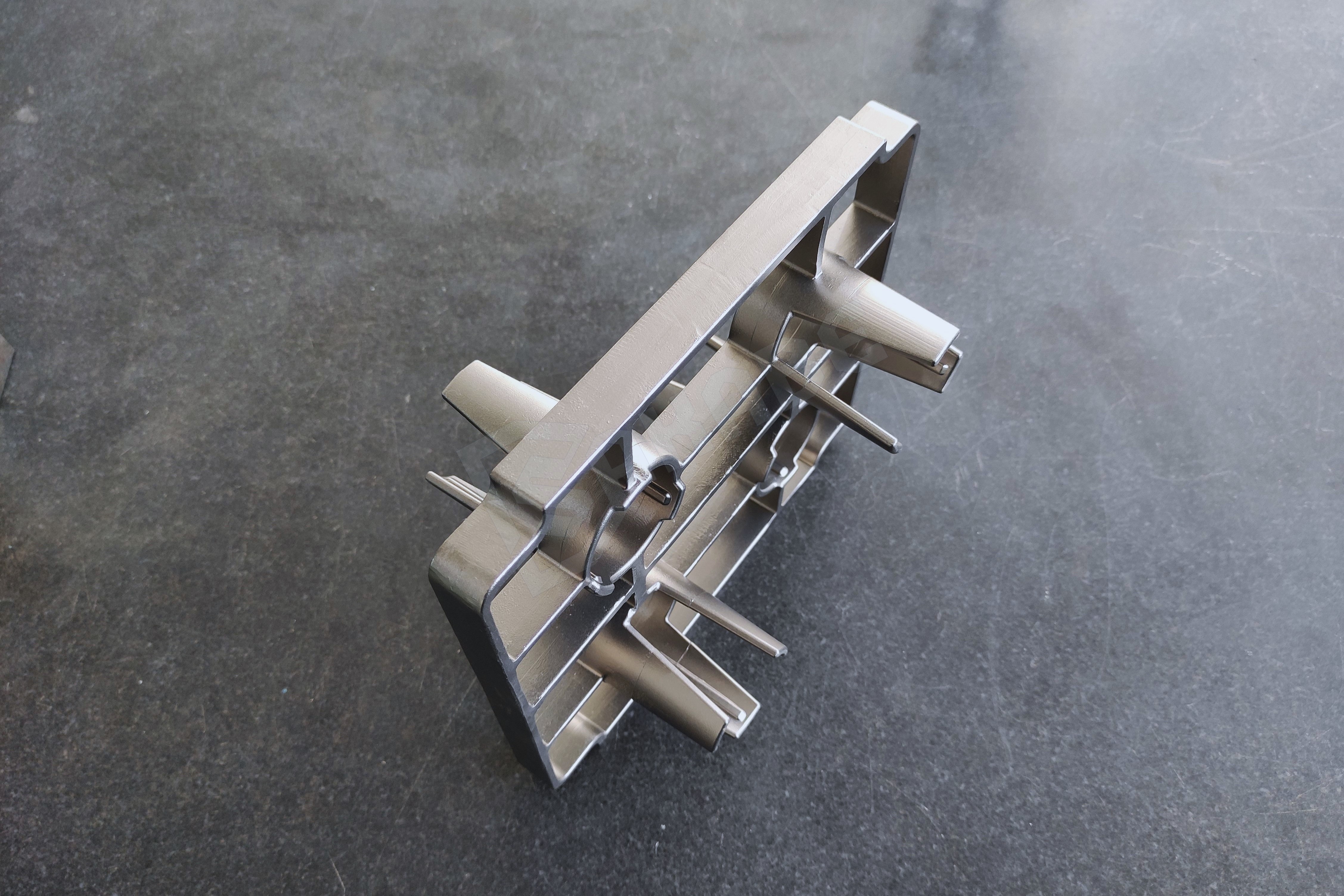
Classy medical equipment parts are essential for both the functionality and reliability of medical devices. Their high-quality materials, precise engineering, and versatility make them indispensable in the industrial equipment sector
2025/02/27

Maximizing Performance with Fancy Heat Treatment Fixtures
Fancy heat treatment fixtures play a pivotal role in maximizing the performance of industrial processes. By understanding their significance, features, and best practices, manufacturers can enhance efficiency and precision in their operations
2025/03/11

Enhancing Healthcare Efficiency with Durable Medical Tool Parts
Durable medical tool parts are fundamental to the effectiveness of various medical devices used in healthcare settings. Their robust construction, coupled with diligent maintenance and quality assurance, ensures that medical equipment operates at peak performance
2025/03/20
CONTACT US
Tel: +86 136-5494-1611
E-mail: alexzheng@sakabe.cn
Office Address:
No.18 Dongbei Qi Street, Jinpu New Area, Dalian, Liaoning, China
Factory Address:
No.26 Fuan Street, Jinpu New Area, Dalian, Liaoning, China
