


Why Medical Tool Die-Casting Parts Are Essential for Precision and Efficiency in Healthcare Manufacturing
Die-casting is a manufacturing process that has gained significant traction in producing precision components used in various industries, including the medical field. Chinese medical tool die-casting parts are integral to creating high-quality medical devices and instruments. The die-casting process allows for the production of complex shapes and designs with high dimensional accuracy, making it ideal for medical applications where precision is paramount.

The die-casting method involves injecting molten metal into a mold, where it cools and solidifies to form the final part. This process is particularly beneficial for producing components that require intricate details and robust mechanical properties. In the medical industry, these die-casting parts are commonly used in surgical instruments, diagnostic devices, and various other medical tools that demand high reliability and durability.
One of the key advantages of using die-casting in the production of medical tool parts is the ability to achieve a smooth surface finish and consistent wall thickness, which is crucial for ensuring the sterility and effectiveness of medical devices. Moreover, the materials used in die-casting, such as aluminum and zinc alloys, offer excellent strength-to-weight ratios and corrosion resistance, essential attributes for medical tools that must withstand repeated use and sterilization processes.
Another significant aspect of Chinese medical tool die-casting parts is their cost-efficiency. The high production rates achievable through die-casting can lower overall manufacturing costs while maintaining the quality of the components. This efficiency is particularly important in the fast-paced medical industry, where timely production can directly impact patient care and outcomes.
Furthermore, as the demand for advanced medical technologies continues to grow, the importance of precision-engineered components will only increase. Manufacturers of medical tools are increasingly relying on die-casting techniques to meet the stringent regulatory standards and performance expectations set by healthcare providers and regulatory bodies.
In summary, Chinese medical tool die-casting parts play a vital role in the manufacturing of medical devices and instruments. Their unique properties, such as high precision, excellent surface finish, and cost-effectiveness, make them indispensable in the medical field. As technology continues to evolve, the role of die-casting in producing high-quality medical components will undoubtedly expand, further enhancing the capabilities of medical professionals to deliver effective patient care. Understanding these components is crucial for anyone involved in the medical manufacturing sector, as they are foundational to the future of healthcare technology.
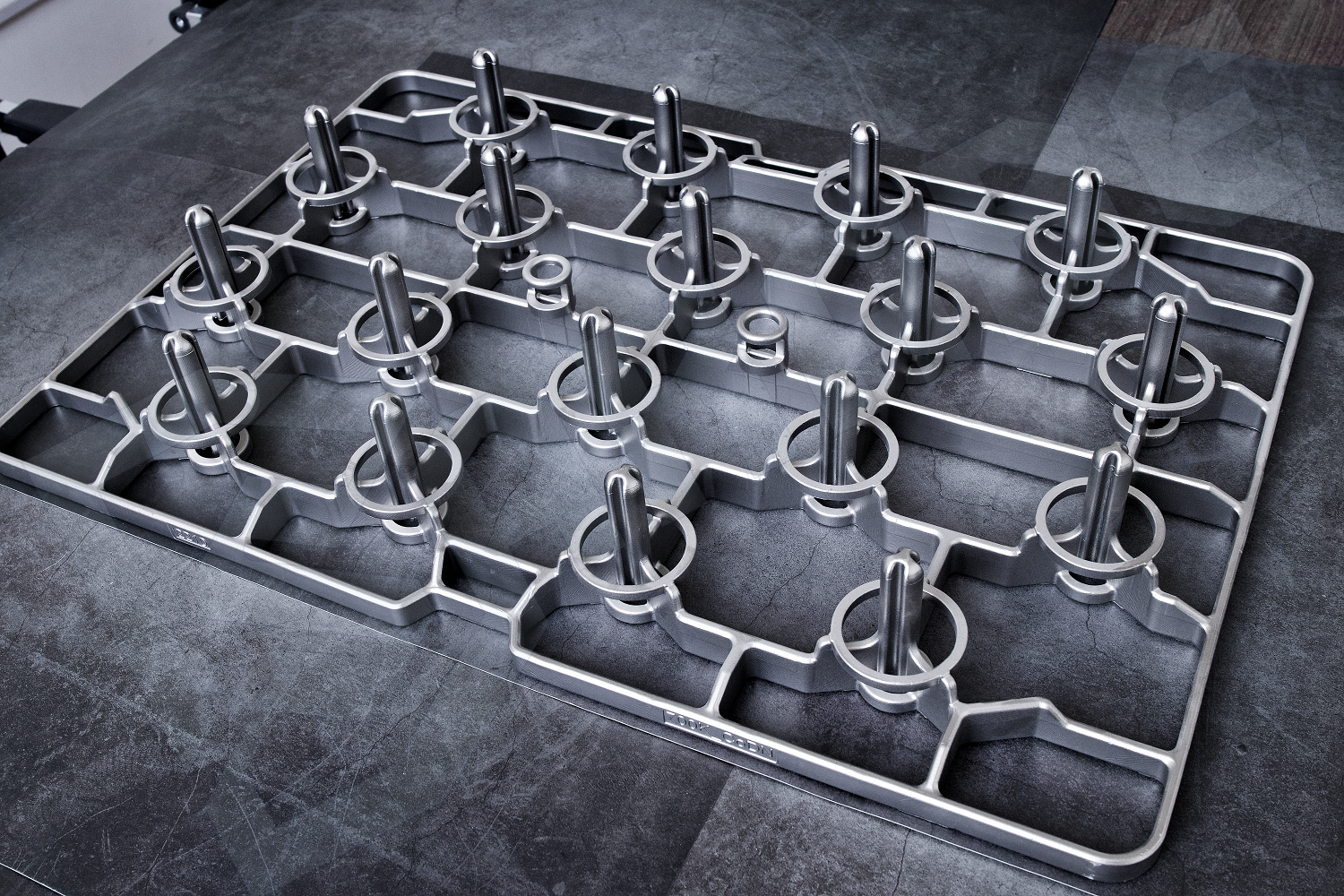
What Are the Advantages of New Metal Injection Molding in Manufacturing
New metal injection molding(MIM) is a cutting-edge manufacturing process that combines the versatility of plastic injection molding with the strength and durability of metal
2025/03/11
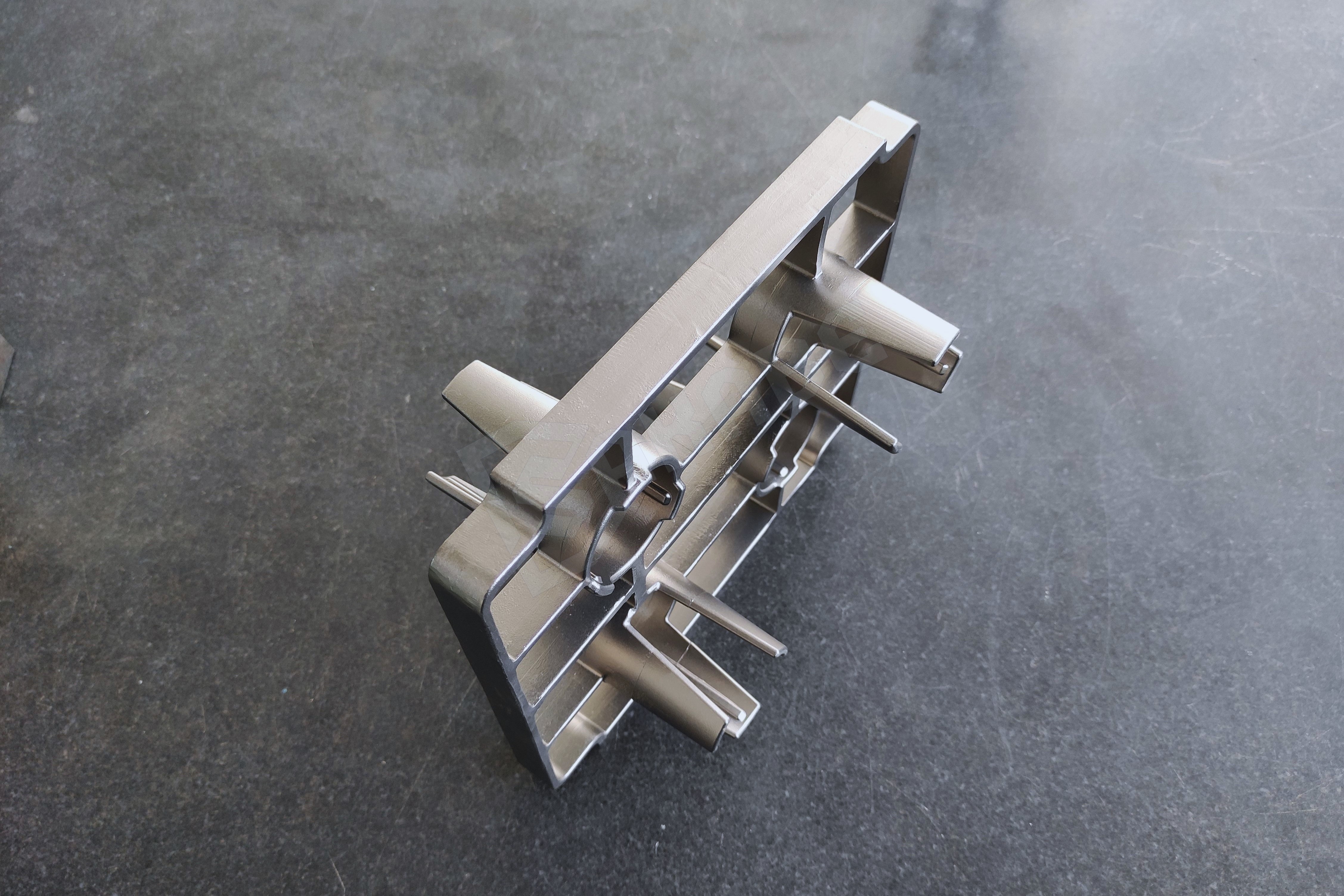
The Essential Role of Classy Medical Equipment Parts in Industrial Applications
Classy medical equipment parts are essential for both the functionality and reliability of medical devices. Their high-quality materials, precise engineering, and versatility make them indispensable in the industrial equipment sector
2025/02/27

Maximizing Performance with Fancy Heat Treatment Fixtures
Fancy heat treatment fixtures play a pivotal role in maximizing the performance of industrial processes. By understanding their significance, features, and best practices, manufacturers can enhance efficiency and precision in their operations
2025/03/11

Enhancing Healthcare Efficiency with Durable Medical Tool Parts
Durable medical tool parts are fundamental to the effectiveness of various medical devices used in healthcare settings. Their robust construction, coupled with diligent maintenance and quality assurance, ensures that medical equipment operates at peak performance
2025/03/20
CONTACT US
Tel: +86 136-5494-1611
E-mail: alexzheng@sakabe.cn
Office Address:
No.18 Dongbei Qi Street, Jinpu New Area, Dalian, Liaoning, China
Factory Address:
No.26 Fuan Street, Jinpu New Area, Dalian, Liaoning, China
