


Ensuring Efficiency and Safety with Quality Fluid Chemical Equipment Parts
In the realm of manufacturing and processing, particularly within machinery, hardware processing, casting, and forging, the quality of fluid chemical equipment parts plays a pivotal role in ensuring optimal operation. These components are not just functional elements; they are the backbone of numerous industrial processes that require precise handling of chemicals and fluids.

Choosing quality fluid chemical equipment parts means selecting materials and components that are designed to withstand the rigors of chemical exposure, temperature fluctuations, and pressure variations. A well-manufactured part ensures that the fluid systems operate seamlessly, preventing leaks and reducing the risk of contamination, which is essential for maintaining product integrity and meeting safety standards.
One of the primary considerations when assessing fluid chemical equipment parts is material compatibility. The parts must be made from materials that are resistant to the chemicals they will encounter. For example, certain plastics may be suitable for less corrosive substances, while metal alloys might be necessary for more aggressive chemicals. Understanding the chemical properties of the fluids being handled is essential for making informed decisions about material selection.
Another important aspect is the design and engineering of the parts. Quality parts are often designed with specific applications in mind, ensuring that they perform efficiently under the expected operational conditions. This includes considerations for flow rates, pressure ratings, and thermal properties. Investing in well-engineered parts can lead to improved operational efficiency and reduced downtime, as they are less likely to fail or require frequent replacements.
Furthermore, the manufacturing process itself is a critical factor in determining the quality of fluid chemical equipment parts. Advanced manufacturing techniques, such as CNC machining and precision casting, can enhance the quality and reliability of components. A rigorous quality control process during manufacturing ensures that each part meets the necessary specifications and standards, providing confidence in its performance.
Regular maintenance and inspections of fluid chemical equipment parts are also vital. Establishing a routine check-up and replacement schedule for worn or damaged components can prevent unexpected failures and prolong the lifespan of the entire system. This proactive approach not only safeguards against costly downtimes but also promotes safety in the workplace.
The importance of quality fluid chemical equipment parts cannot be overstated in the manufacturing and processing sectors. By focusing on material compatibility, proper design, advanced manufacturing techniques, and routine maintenance, businesses can enhance their operational efficiency, safety, and reliability. Investing in quality parts ultimately contributes to the success and sustainability of manufacturing processes, making it a critical consideration for industry professionals.
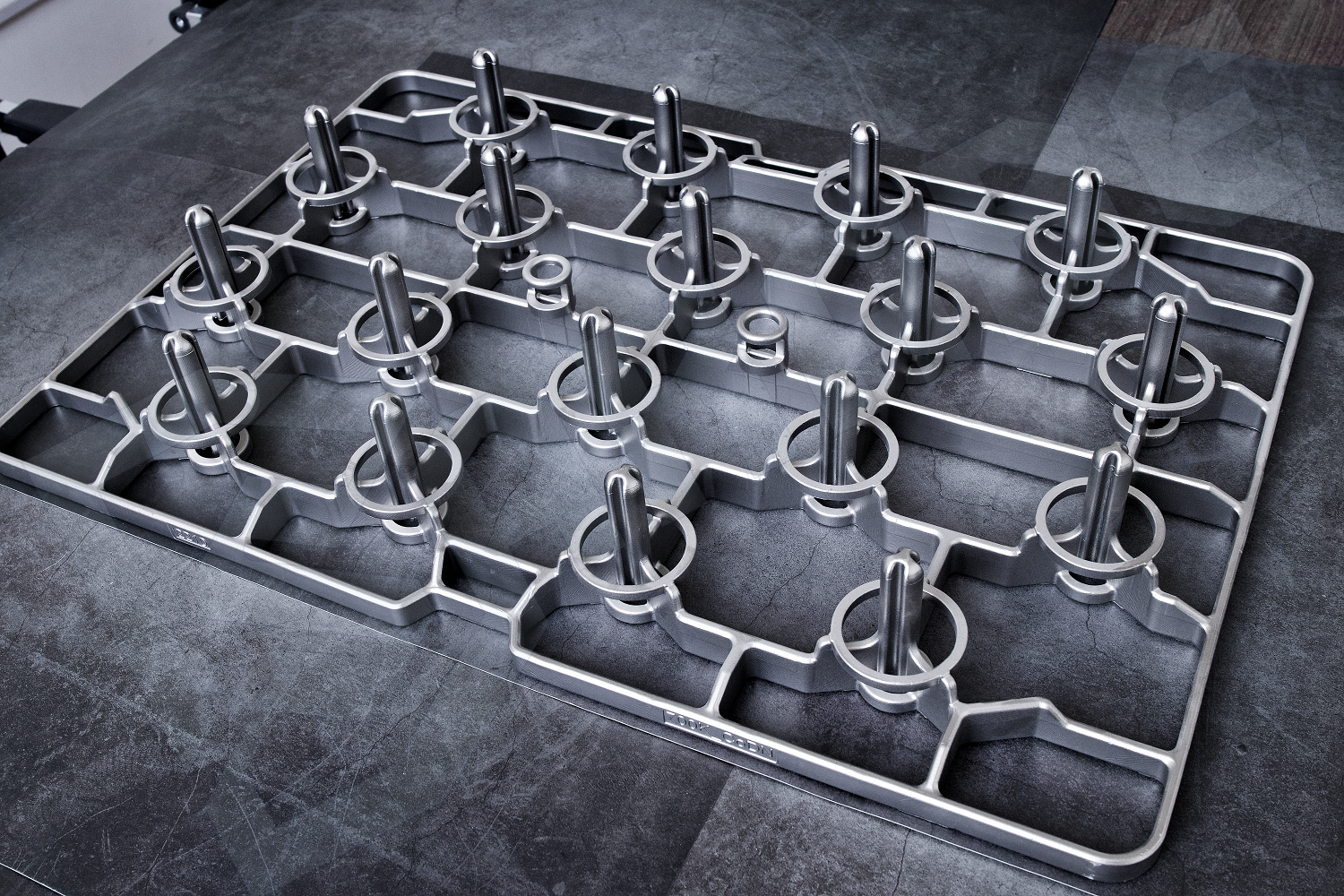
What Are the Advantages of New Metal Injection Molding in Manufacturing
New metal injection molding(MIM) is a cutting-edge manufacturing process that combines the versatility of plastic injection molding with the strength and durability of metal
2025/03/11
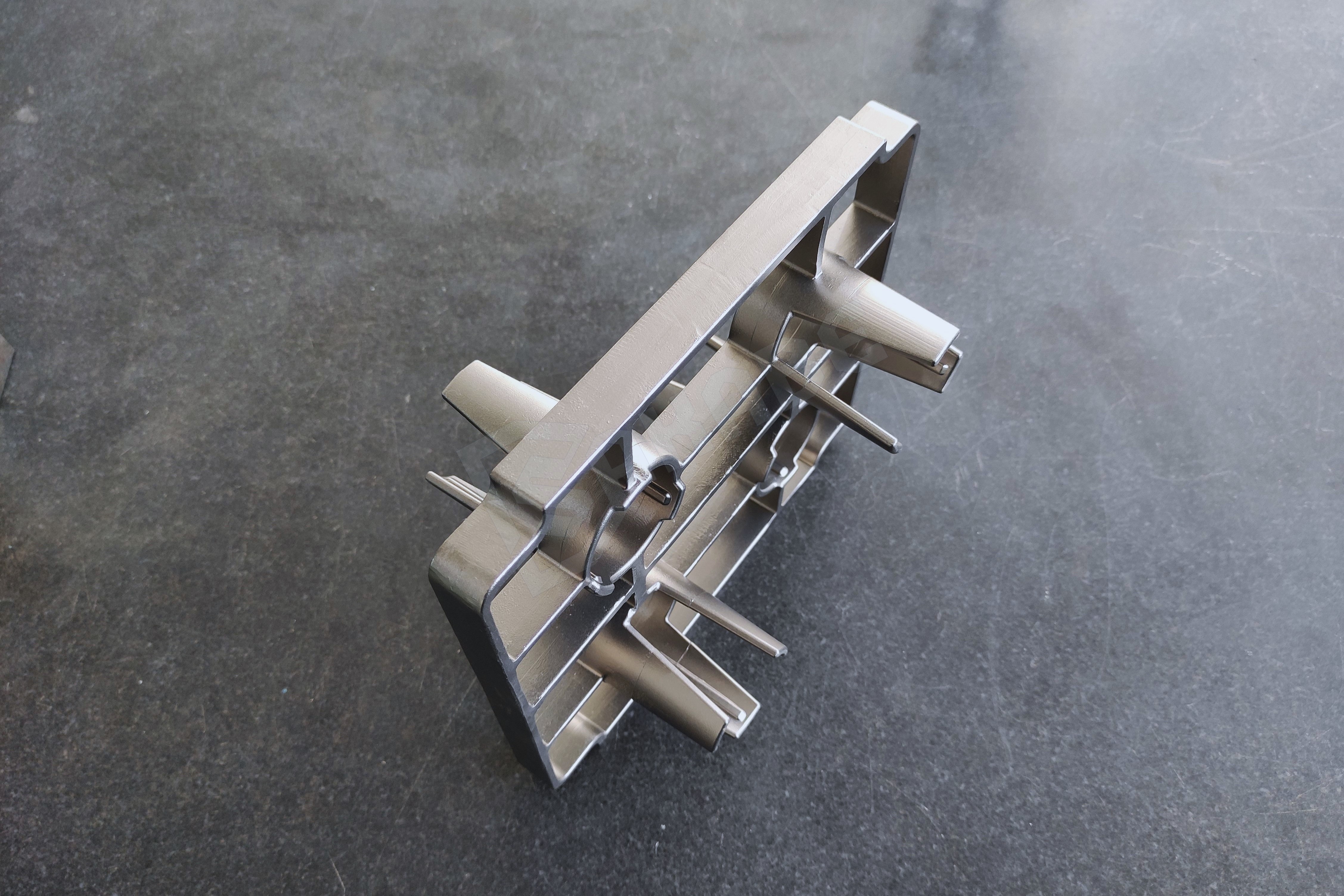
The Essential Role of Classy Medical Equipment Parts in Industrial Applications
Classy medical equipment parts are essential for both the functionality and reliability of medical devices. Their high-quality materials, precise engineering, and versatility make them indispensable in the industrial equipment sector
2025/02/27

Maximizing Performance with Fancy Heat Treatment Fixtures
Fancy heat treatment fixtures play a pivotal role in maximizing the performance of industrial processes. By understanding their significance, features, and best practices, manufacturers can enhance efficiency and precision in their operations
2025/03/11

Enhancing Healthcare Efficiency with Durable Medical Tool Parts
Durable medical tool parts are fundamental to the effectiveness of various medical devices used in healthcare settings. Their robust construction, coupled with diligent maintenance and quality assurance, ensures that medical equipment operates at peak performance
2025/03/20
CONTACT US
Tel: +86 136-5494-1611
E-mail: alexzheng@sakabe.cn
Office Address:
No.18 Dongbei Qi Street, Jinpu New Area, Dalian, Liaoning, China
Factory Address:
No.26 Fuan Street, Jinpu New Area, Dalian, Liaoning, China
