

The Essential Role of Precision Die-Casting in Sewing Machine Manufacturing
Precision die-casting is a highly efficient manufacturing process used to produce intricate and high-quality metal components. In the sewing machine industry, where precision and quality are paramount, die-casting plays a vital role. This article delves into the significance of Sewing machine die-casting parts, examining its processes, applications, and benefits.
Understanding the Die-Casting Process
Die-casting involves forcing molten metal into a mold cavity under high pressure. This method is ideal for creating complex shapes with fine details, making it preferable for the production of sewing machine components.
The Die-Casting Process Explained
1. **Mold Creation**: The first step in die-casting is creating a mold, typically made from steel or iron. The molds are designed to withstand high pressure and repeated use.
2. **Melting the Metal**: Metals such as aluminum, zinc, and magnesium are melted in a furnace to a temperature that allows them to flow easily.
3. **Injection**: The molten metal is injected into the mold at high pressure, ensuring that every detail of the mold is filled.
4. **Cooling**: After the metal has filled the mold, it is allowed to cool and solidify, forming the final part.
5. **Ejection**: Once cooled, the mold opens, and the finished part is ejected for further processing.
The Importance of Die-Casting in Sewing Machine Production
The sewing machine industry heavily relies on precision die-casting for several reasons. High-quality components produced through this method ensure that sewing machines operate smoothly and efficiently.
Precision and Quality
Sewing machines demand precise components to ensure that they function correctly. The accuracy achieved through die-casting translates to better performance, reliability, and longevity of the machines.
Cost-Effectiveness
Although the initial setup for die-casting can be expensive, the long-term cost savings are significant. The ability to produce large quantities of high-quality components reduces per-unit costs, making sewing machines more affordable for consumers.
Benefits of Precision Die-Casting
Precision die-casting offers numerous advantages that make it an ideal choice for sewing machine manufacturers.
High Production Rates
Die-casting allows for the rapid production of parts, which is essential in meeting market demands. The speed of this process enables companies to scale up production without compromising quality.
Complex Geometries
One of the most significant benefits of precision die-casting is the ability to create complex geometries. This capability is crucial in sewing machines where intricate designs are often required.
Excellent Surface Finish
The surface finish achieved through die-casting is typically superior to other manufacturing methods. This is particularly beneficial in sewing machines, where the aesthetic appearance of the machine is important.
Applications of Die-Casting in Sewing Machine Components
Various components of sewing machines are manufactured using precision die-casting, including:
Body and Frame Components
The body and frame of a sewing machine require robust and lightweight materials, making die-casting an ideal option.
Gear Components
Gear systems in sewing machines benefit from the precision and durability provided by die-casting, ensuring smooth operation.
Internal Mechanical Parts
Die-casting is commonly used to produce internal mechanical components such as levers and linkages, which are critical for the machine's functionality.
Challenges in Die-Casting and Their Solutions
Despite its advantages, precision die-casting is not without challenges.
Quality Control Issues
Maintaining quality control during the die-casting process is crucial. Implementing rigorous testing and quality assurance measures can minimize defects.
Mold Wear and Tear
Over time, molds can wear out, affecting the quality of produced parts. Regular maintenance and timely replacements can mitigate this issue.
Future Trends in Die-Casting for Sewing Machines
As technology advances, so does the die-casting process. Future trends in precision die-casting for sewing machines include:
Automation and Robotics
Incorporating automation and robotics in the die-casting process can enhance production efficiency and reduce human error.
Advanced Materials
The exploration of new materials will allow for the production of lighter, stronger, and more versatile components for sewing machines.
The role of the Sewing machine die-casting parts cannot be overstated. It provides the necessary precision, quality, and cost-effectiveness that manufacturers require to produce high-performance sewing machines. As technology continues to evolve, the die-casting process will likely adapt and improve, leading to even more innovative solutions in the sewing machine industry. Understanding and harnessing the power of precision die-casting will be crucial for manufacturers aiming to stay competitive in an ever-evolving market.
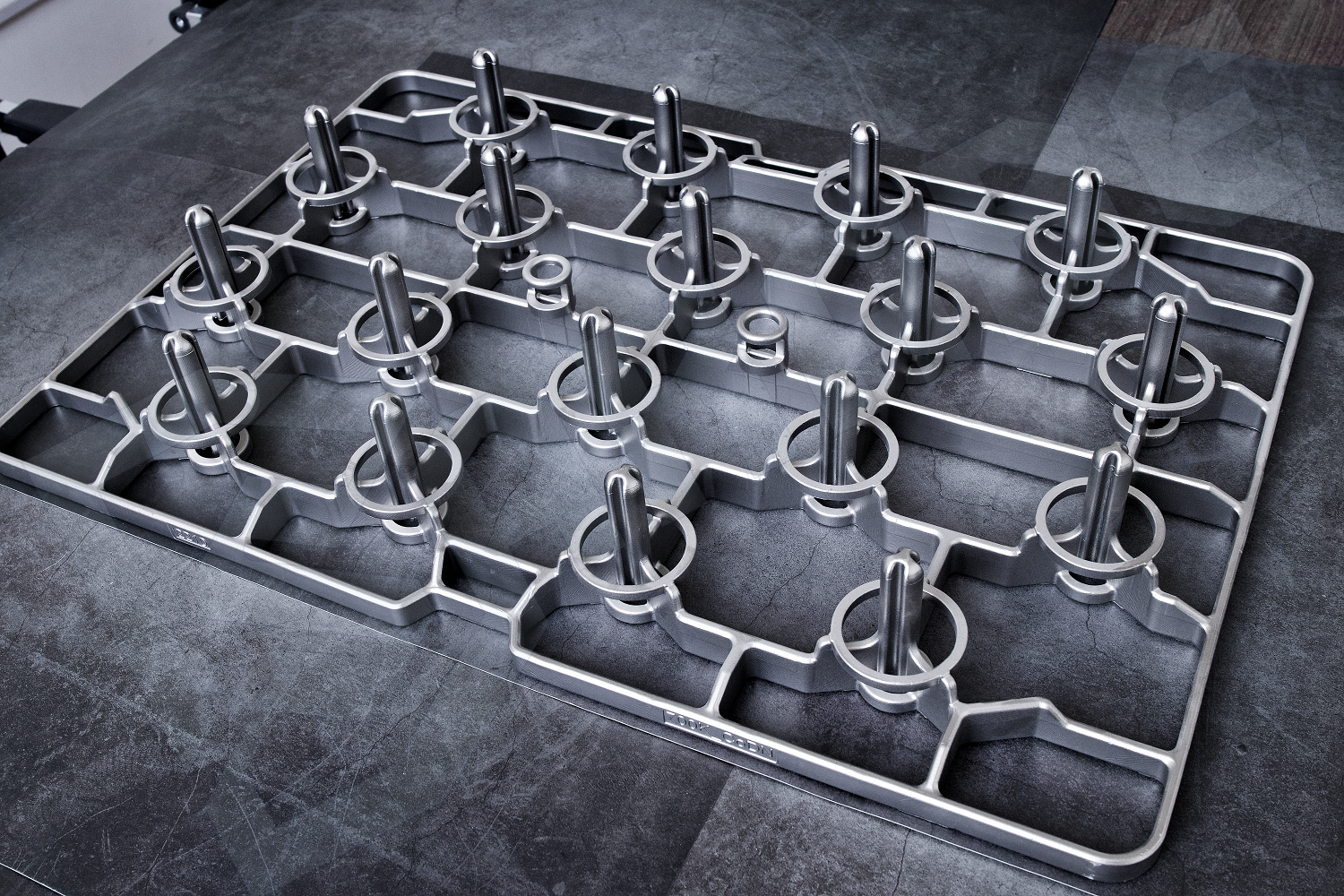
What Are the Advantages of New Metal Injection Molding in Manufacturing
New metal injection molding(MIM) is a cutting-edge manufacturing process that combines the versatility of plastic injection molding with the strength and durability of metal
2025/03/11
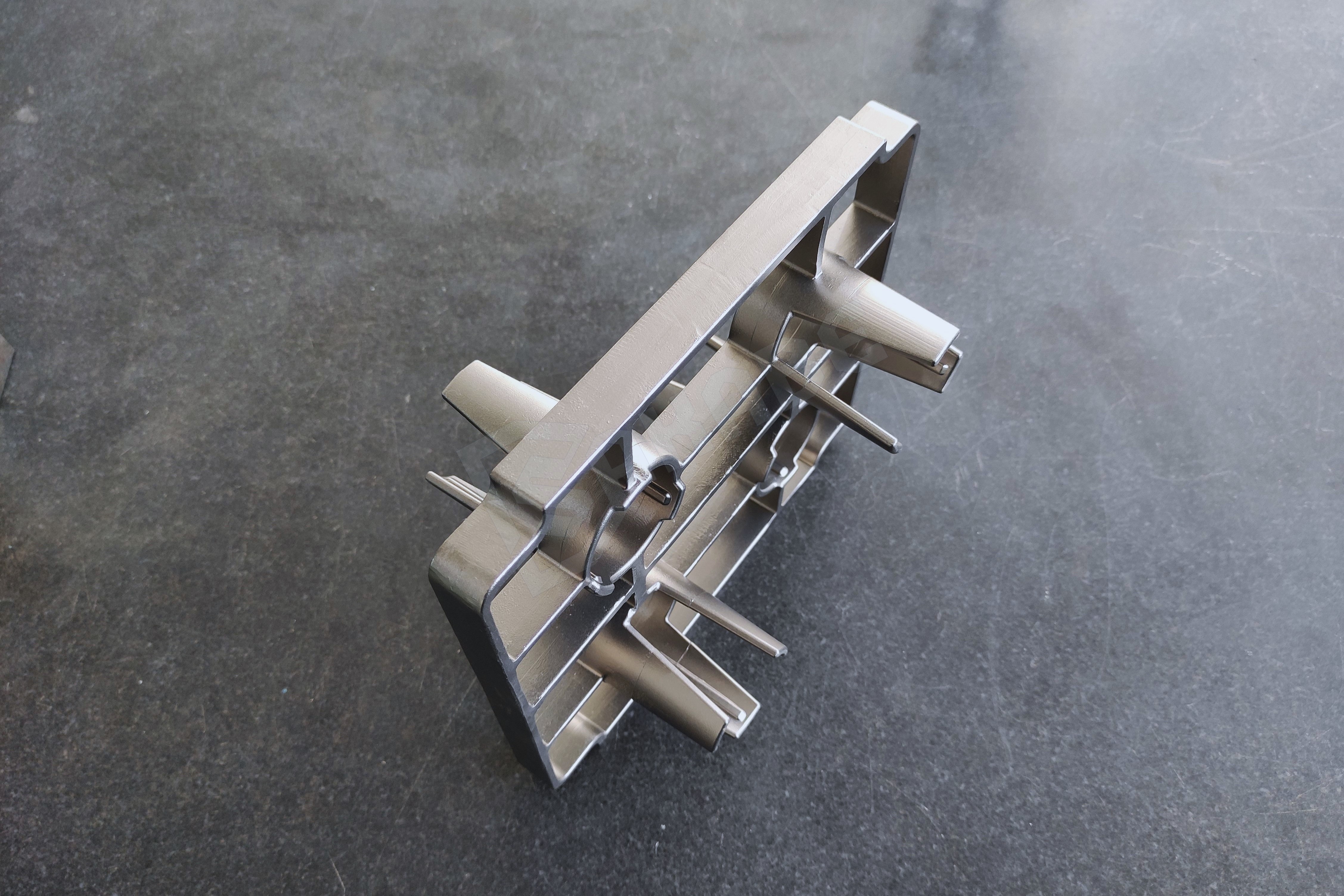
The Essential Role of Classy Medical Equipment Parts in Industrial Applications
Classy medical equipment parts are essential for both the functionality and reliability of medical devices. Their high-quality materials, precise engineering, and versatility make them indispensable in the industrial equipment sector
2025/02/27

Maximizing Performance with Fancy Heat Treatment Fixtures
Fancy heat treatment fixtures play a pivotal role in maximizing the performance of industrial processes. By understanding their significance, features, and best practices, manufacturers can enhance efficiency and precision in their operations
2025/03/11

Enhancing Healthcare Efficiency with Durable Medical Tool Parts
Durable medical tool parts are fundamental to the effectiveness of various medical devices used in healthcare settings. Their robust construction, coupled with diligent maintenance and quality assurance, ensures that medical equipment operates at peak performance
2025/03/20
CONTACT US
Tel: +86 136-5494-1611
E-mail: alexzheng@sakabe.cn
Office Address:
No.18 Dongbei Qi Street, Jinpu New Area, Dalian, Liaoning, China
Factory Address:
No.26 Fuan Street, Jinpu New Area, Dalian, Liaoning, China
