


The process of producing customized medical tool casting parts involves several steps, beginning with the design phase. Engineers and designers collaborate to create specifications that cater to the unique requirements of medical applications. This often includes considerations for material properties, dimensional accuracy, and functionality. Utilizing advanced software for Computer-Aided Design (CAD) facilitates the development of highly detailed models that can be precisely manufactured.
Once the design is finalized, the casting process begins. This typically involves pouring molten metal into a mold that defines the desired shape of the medical tool part. The materials used must be biocompatible and capable of withstanding sterilization processes, as medical tools must maintain their integrity and hygiene. Common materials include stainless steel, aluminum, and various alloys, each chosen for its specific properties that suit medical applications.
Post-casting processes such as machining, finishing, and quality control are crucial to ensure that the final products meet the required standards. Machining may involve cutting, drilling, or grinding to achieve exact dimensions and surface finishes. Quality control practices, including testing for structural integrity and precision, are essential in guaranteeing that the casting parts will perform reliably in medical settings.
Efficiency in producing customized medical tool casting parts is also enhanced through the use of advanced technologies. Techniques such as 3D printing and additive manufacturing are gradually being incorporated into traditional casting processes. These innovations enable the production of complex geometries that may be challenging to achieve with conventional methods. Additionally, they allow for quicker prototyping and reduced lead times, which are critical in the fast-paced healthcare environment.
Ultimately, the customization of medical tool casting parts not only contributes to the efficacy of medical devices but also addresses the diverse and evolving needs of healthcare providers. As the medical industry continues to advance, the demand for specialized casting parts will likely increase, driving manufacturers to adopt more innovative practices and technologies. By staying at the forefront of these developments, manufacturers can ensure they provide high-quality, customized solutions that advance patient care and medical outcomes.
In summary, customized medical tool casting parts are essential components in the manufacturing of medical devices, emphasizing the importance of precision, material selection, and advanced technologies in meeting healthcare needs.
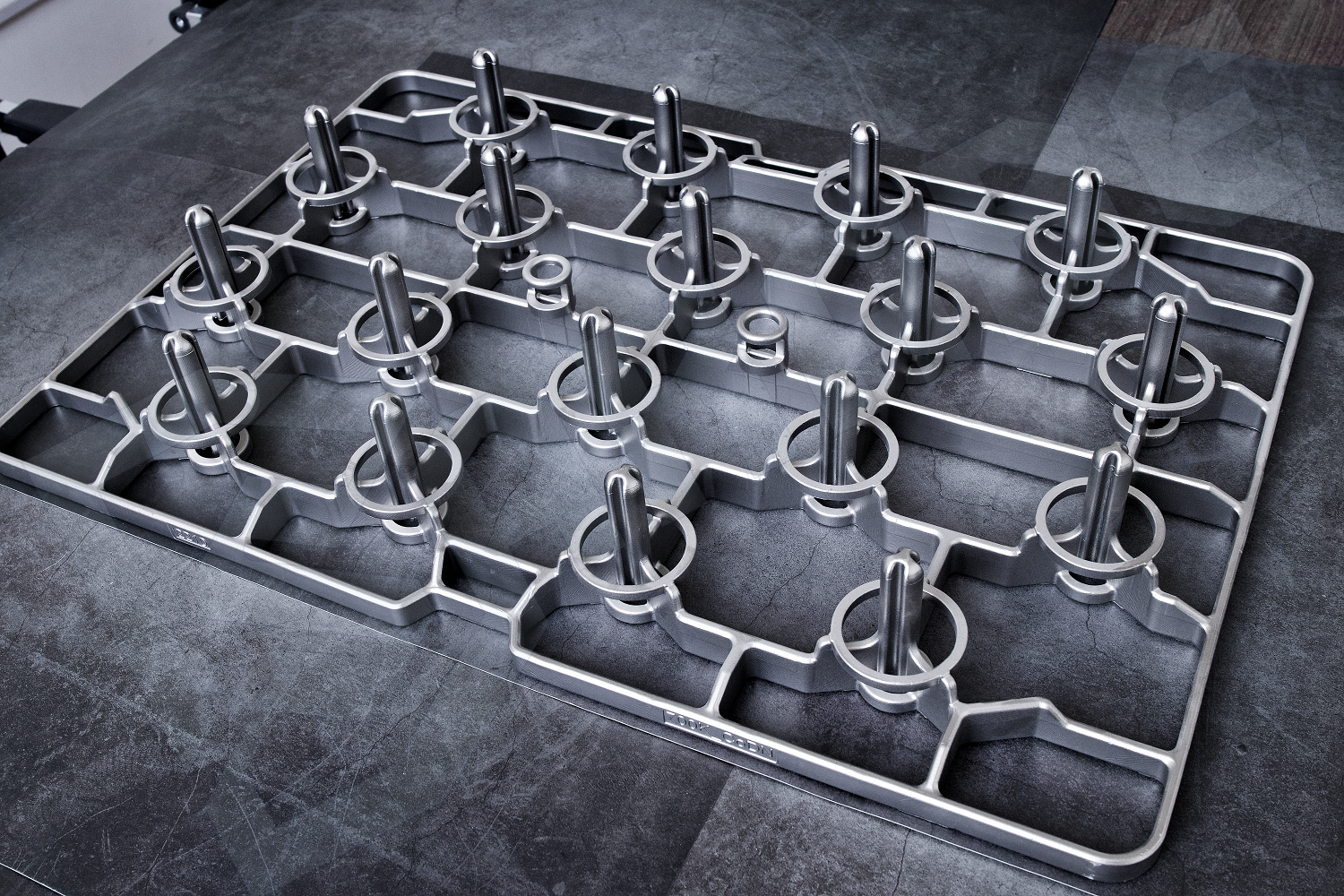
What Are the Advantages of New Metal Injection Molding in Manufacturing
New metal injection molding(MIM) is a cutting-edge manufacturing process that combines the versatility of plastic injection molding with the strength and durability of metal
2025/03/11
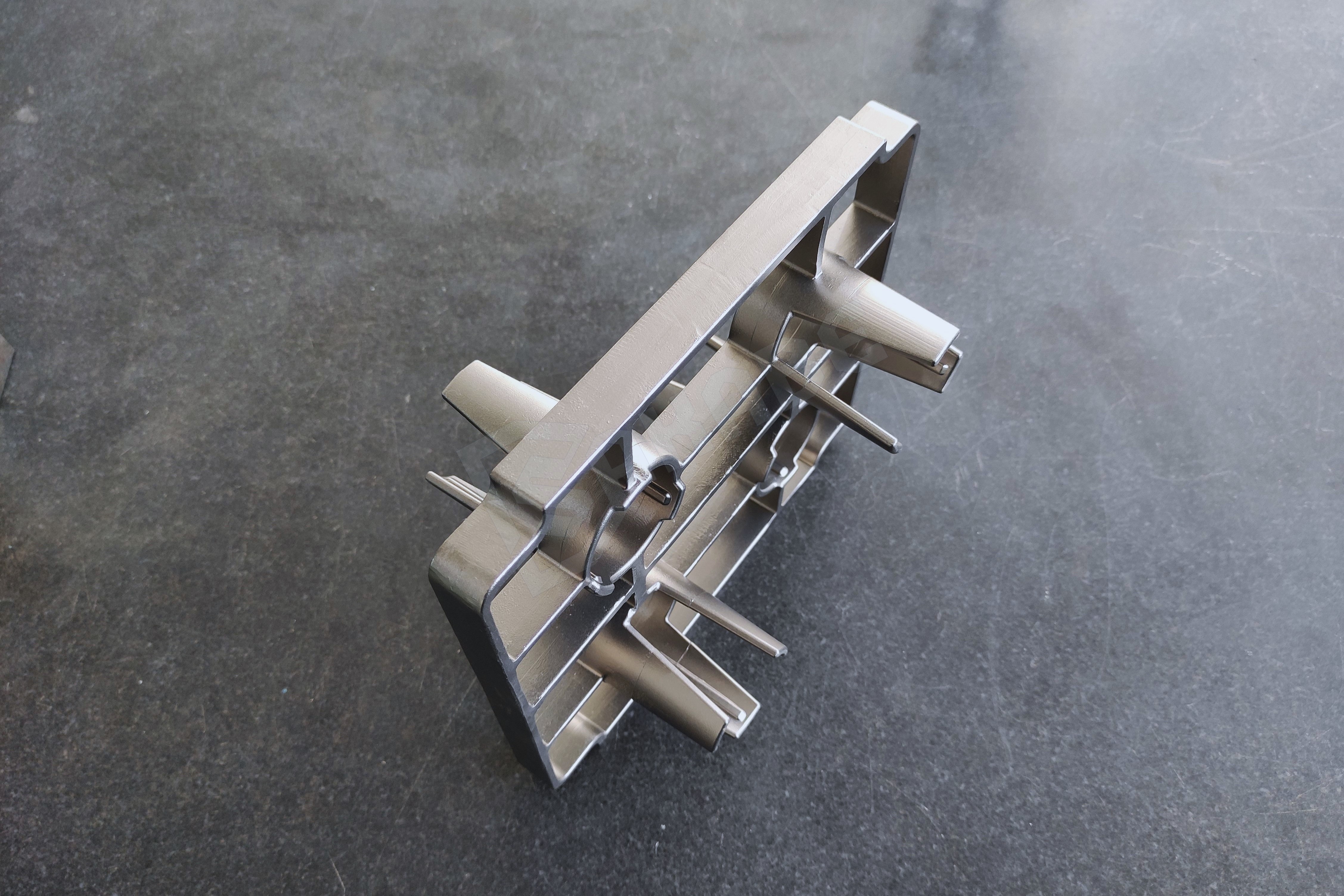
The Essential Role of Classy Medical Equipment Parts in Industrial Applications
Classy medical equipment parts are essential for both the functionality and reliability of medical devices. Their high-quality materials, precise engineering, and versatility make them indispensable in the industrial equipment sector
2025/02/27

Maximizing Performance with Fancy Heat Treatment Fixtures
Fancy heat treatment fixtures play a pivotal role in maximizing the performance of industrial processes. By understanding their significance, features, and best practices, manufacturers can enhance efficiency and precision in their operations
2025/03/11

Enhancing Healthcare Efficiency with Durable Medical Tool Parts
Durable medical tool parts are fundamental to the effectiveness of various medical devices used in healthcare settings. Their robust construction, coupled with diligent maintenance and quality assurance, ensures that medical equipment operates at peak performance
2025/03/20
CONTACT US
Tel: +86 136-5494-1611
E-mail: alexzheng@sakabe.cn
Office Address:
No.18 Dongbei Qi Street, Jinpu New Area, Dalian, Liaoning, China
Factory Address:
No.26 Fuan Street, Jinpu New Area, Dalian, Liaoning, China
