

One of the primary benefits of die-casting in the medical field is the ability to produce highly intricate designs with exceptional dimensional accuracy. This precision is critical for medical tools that must fit together seamlessly to ensure safety and effectiveness. Materials commonly used for die-casting in this sector include aluminum, zinc, and magnesium alloys, which offer excellent mechanical properties and corrosion resistance. The choice of material often depends on the specific requirements of the medical device, including weight, strength, and sterilization compatibility.
Another advantage of the best medical tool die-casting parts is their ability to facilitate rapid production. The die-casting process allows for high-volume output with reduced cycle times, making it an ideal choice for manufacturers looking to meet the increasing demand for medical devices. In addition, the process provides a cost-effective solution for producing components, as it minimizes waste compared to traditional machining methods.
Moreover, die-casting components can be easily integrated with other manufacturing processes, such as machining or surface finishing, to enhance their functionality. This adaptability makes it easier for manufacturers to create customized solutions tailored to specific medical applications. For instance, surface treatments can improve the wear resistance and hygiene of medical tools, making them more suitable for repeated use in clinical settings.
Quality control is paramount in the production of medical tool die-casting parts. Manufacturers must adhere to rigorous industry standards and regulations to ensure the safety and reliability of their products. This involves implementing stringent testing protocols, including dimensional inspections, mechanical testing, and material analysis, to ensure that each component meets the required specifications. By focusing on quality, manufacturers can build trust with their clients and contribute to improved patient outcomes.
In summary, the best medical tool die-casting parts play a vital role in the healthcare industry, offering numerous benefits such as precision, rapid production, and cost-effectiveness. Manufacturers who invest in advanced die-casting techniques and prioritize quality control can position themselves as leaders in the field, ultimately driving innovation and improving the future of medical technology.
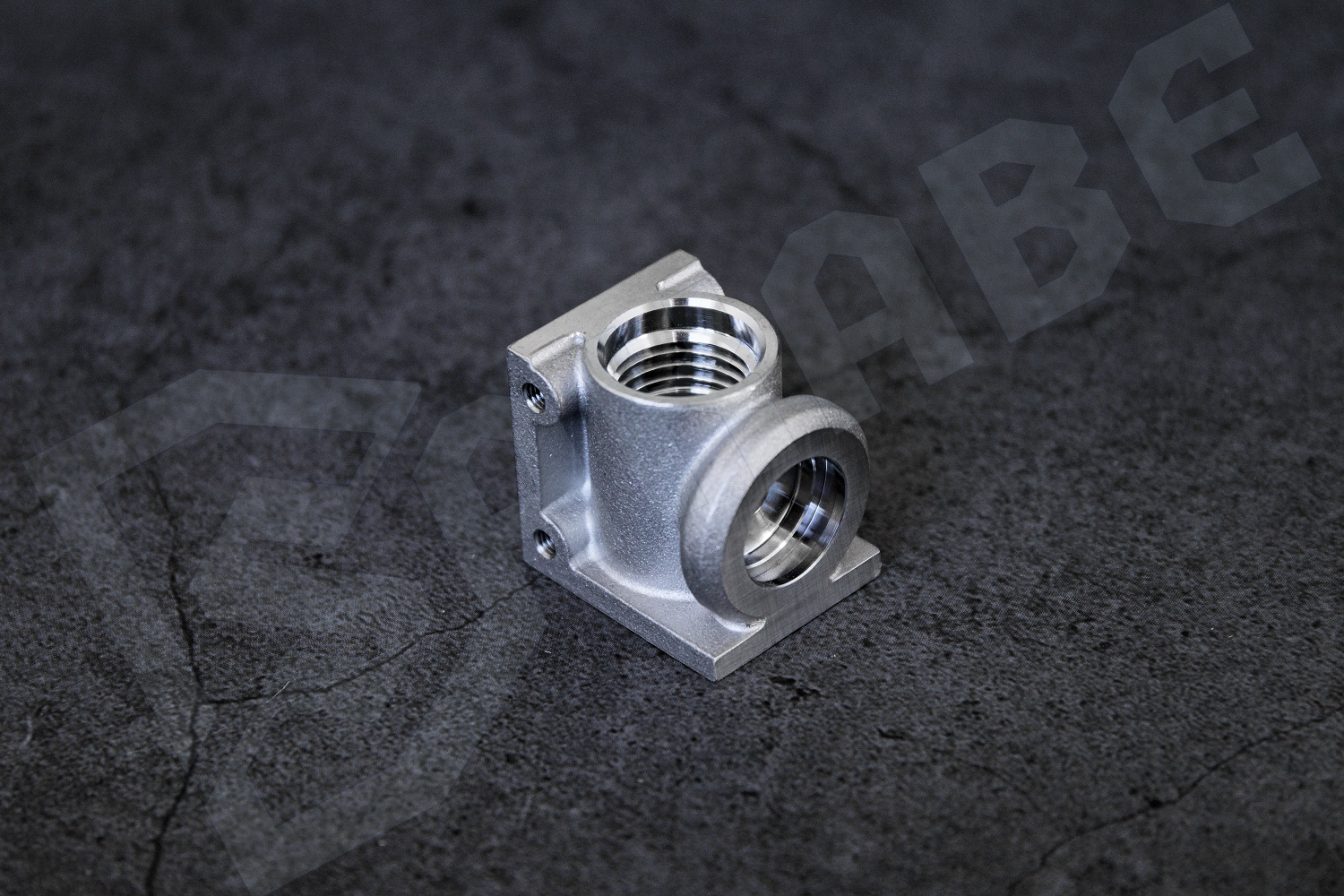
Why MIM Casting Is the Future of Precision Manufacturing
One of the primary benefits of MIM casting is its ability to produce intricate geometries that would be challenging or impossible to achieve through conventional machining methods
2025/03/11
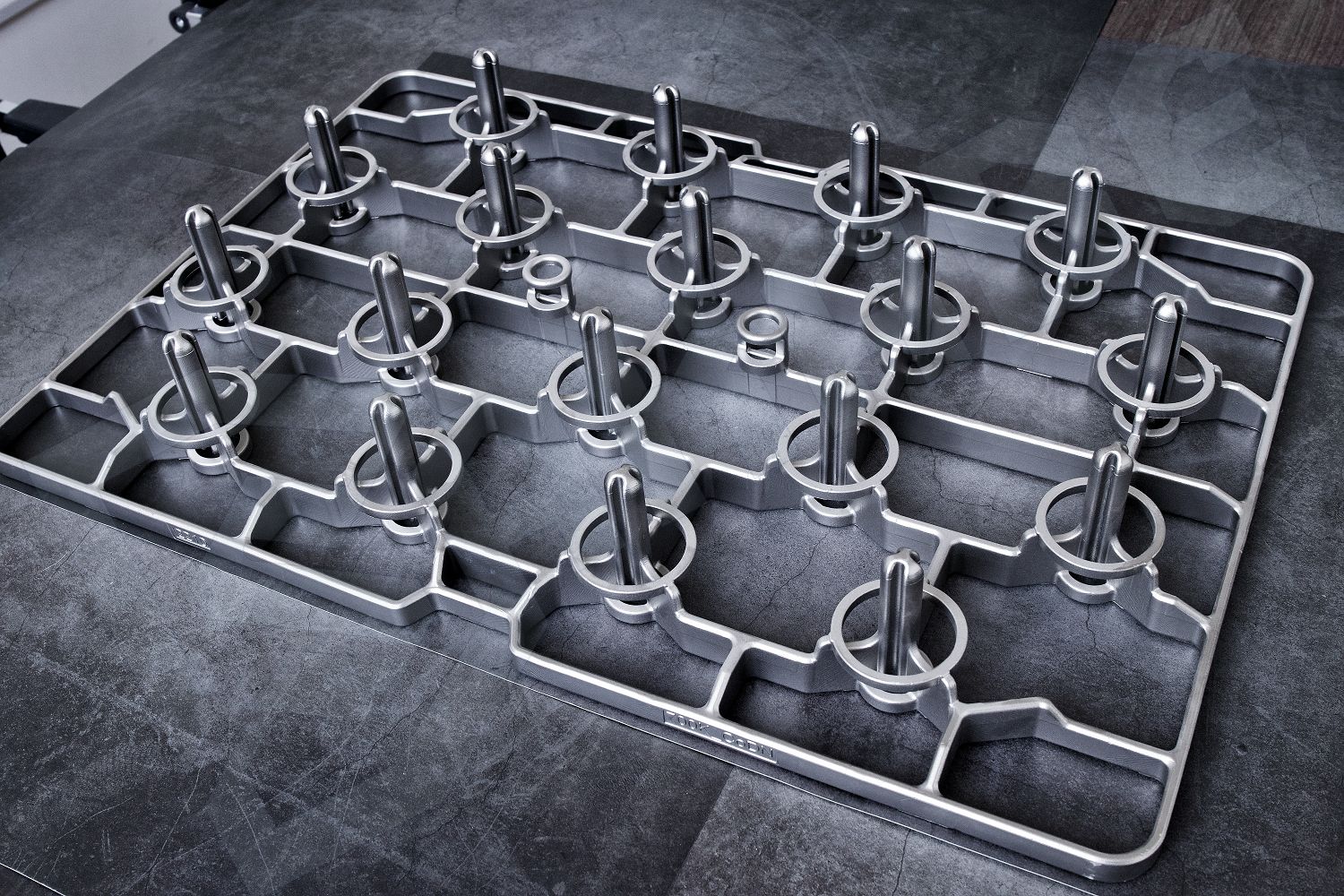
What Are the Advantages of New Metal Injection Molding in Manufacturing
New metal injection molding(MIM) is a cutting-edge manufacturing process that combines the versatility of plastic injection molding with the strength and durability of metal
2025/03/11
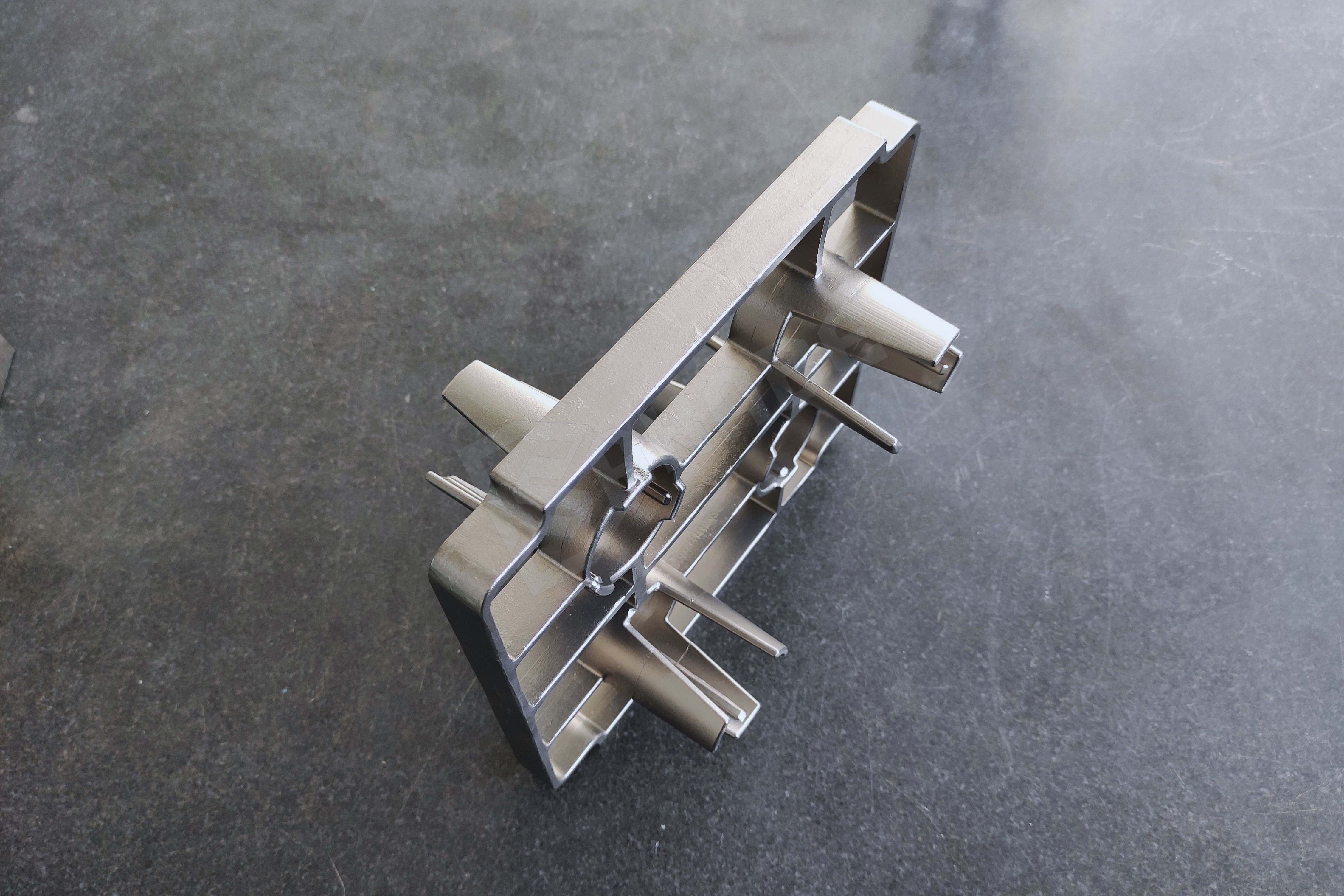
The Essential Role of Classy Medical Equipment Parts in Industrial Applications
Classy medical equipment parts are essential for both the functionality and reliability of medical devices. Their high-quality materials, precise engineering, and versatility make them indispensable in the industrial equipment sector
2025/02/27

Maximizing Performance with Fancy Heat Treatment Fixtures
Fancy heat treatment fixtures play a pivotal role in maximizing the performance of industrial processes. By understanding their significance, features, and best practices, manufacturers can enhance efficiency and precision in their operations
2025/03/11
CONTACT US
Tel: +86 136-5494-1611
E-mail: alexzheng@sakabe.cn
Office Address:
No.18 Dongbei Qi Street, Jinpu New Area, Dalian, Liaoning, China
Factory Address:
No.26 Fuan Street, Jinpu New Area, Dalian, Liaoning, China
