


Textile machinery casting parts are essential components found in various types of equipment used in the garment manufacturing process. These parts are typically made from materials such as cast iron, aluminum, or steel, ensuring they can withstand the operational demands of the industry. The durability and reliability of casting parts directly affect the efficiency and effectiveness of textile machinery.
One of the primary functions of casting parts in textile machinery is to serve as structural support. They provide the necessary strength to withstand the mechanical stresses and vibrations that occur during the operation of machines like sewing machines, fabric cutters, and dyeing equipment. A well-designed casting part ensures that the machinery remains stable and functions smoothly, which is crucial for maintaining high production rates and minimizing downtime.
Moreover, casting parts play a vital role in the precision of garment manufacturing. They are often designed to accommodate various moving components, ensuring proper alignment and movement. This precision is essential for achieving consistent quality in the fabric being processed, which ultimately affects the final garments produced. Any misalignment or wear in casting parts can lead to defects in the fabric, resulting in costly rework or wasted materials.
In addition to their structural and precision roles, textile machinery casting parts contribute to the technological advancements in the industry. As manufacturers continuously strive to improve efficiency and reduce costs, the development of specialized casting parts has become increasingly important. Innovations in casting techniques, such as investment casting or die casting, allow for the creation of more complex shapes and designs that enhance the functionality of textile machinery.
Furthermore, the casting industry's commitment to sustainability is reflected in the ongoing efforts to produce more eco-friendly materials and processes. Recycled metals and environmentally conscious casting methods are becoming more prevalent, aligning with the global push for sustainable manufacturing practices. By investing in high-quality casting parts that prioritize sustainability, textile machinery manufacturers can reduce their environmental footprint while enhancing the performance of their equipment.
In conclusion, textile machinery casting parts are crucial for the effective operation of garment manufacturing equipment. Their role in providing structural integrity, precision, and adaptability to technological changes cannot be overstated. As the industry continues to evolve, the importance of these components will only grow, underscoring the need for manufacturers to invest in high-quality casting parts to remain competitive in the ever-changing landscape of fashion and textile production. By understanding the significance of these components, businesses can better appreciate their impact on the efficiency and quality of their manufacturing processes.
One of the primary functions of casting parts in textile machinery is to serve as structural support. They provide the necessary strength to withstand the mechanical stresses and vibrations that occur during the operation of machines like sewing machines, fabric cutters, and dyeing equipment. A well-designed casting part ensures that the machinery remains stable and functions smoothly, which is crucial for maintaining high production rates and minimizing downtime.
Moreover, casting parts play a vital role in the precision of garment manufacturing. They are often designed to accommodate various moving components, ensuring proper alignment and movement. This precision is essential for achieving consistent quality in the fabric being processed, which ultimately affects the final garments produced. Any misalignment or wear in casting parts can lead to defects in the fabric, resulting in costly rework or wasted materials.
In addition to their structural and precision roles, textile machinery casting parts contribute to the technological advancements in the industry. As manufacturers continuously strive to improve efficiency and reduce costs, the development of specialized casting parts has become increasingly important. Innovations in casting techniques, such as investment casting or die casting, allow for the creation of more complex shapes and designs that enhance the functionality of textile machinery.
Furthermore, the casting industry's commitment to sustainability is reflected in the ongoing efforts to produce more eco-friendly materials and processes. Recycled metals and environmentally conscious casting methods are becoming more prevalent, aligning with the global push for sustainable manufacturing practices. By investing in high-quality casting parts that prioritize sustainability, textile machinery manufacturers can reduce their environmental footprint while enhancing the performance of their equipment.
In conclusion, textile machinery casting parts are crucial for the effective operation of garment manufacturing equipment. Their role in providing structural integrity, precision, and adaptability to technological changes cannot be overstated. As the industry continues to evolve, the importance of these components will only grow, underscoring the need for manufacturers to invest in high-quality casting parts to remain competitive in the ever-changing landscape of fashion and textile production. By understanding the significance of these components, businesses can better appreciate their impact on the efficiency and quality of their manufacturing processes.

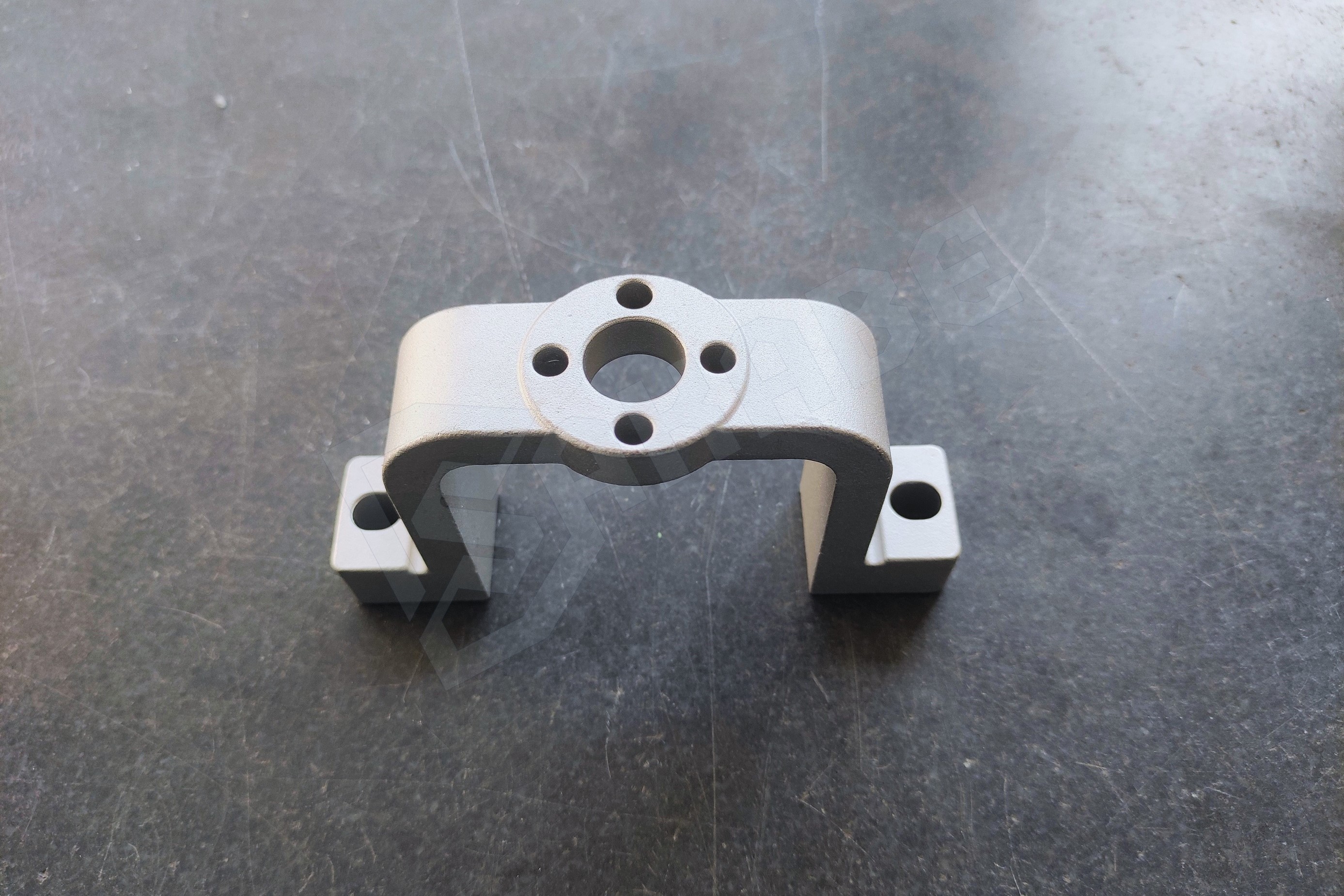

Advantages of Food Machinery Die-casting Parts in Manufacturing
Die-casting parts play a vital role in the manufacturing of food machinery, offering precision, strength, and design flexibility that enhance performance and reliability
2024/08/08

CONTACT US
Tel: +86 136-5494-1611
E-mail: alexzheng@sakabe.cn
Office Address:
No.18 Dongbei Qi Street, Jinpu New Area, Dalian, Liaoning, China
Factory Address:
No.26 Fuan Street, Jinpu New Area, Dalian, Liaoning, China
