


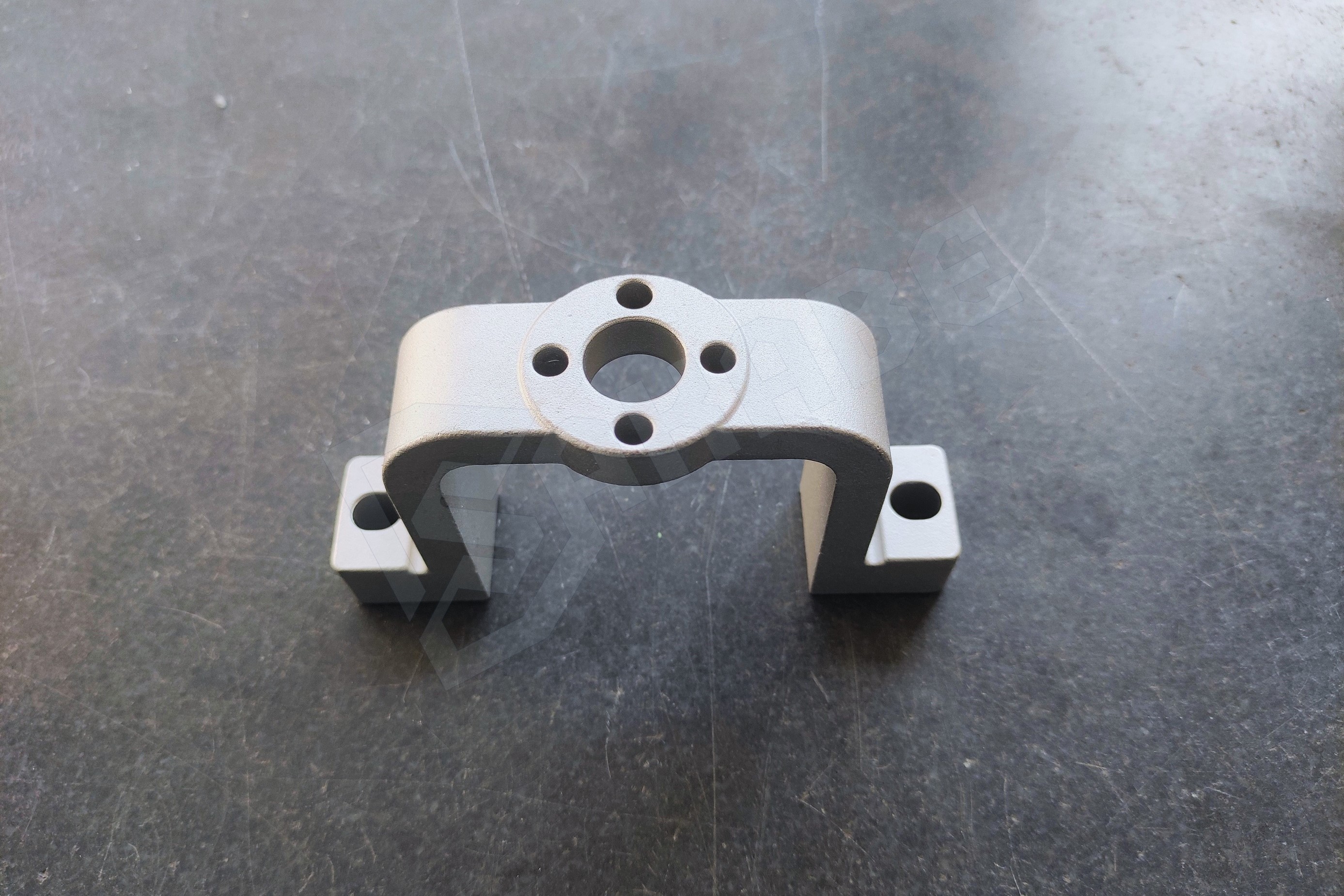
Medical equipment casting parts are integral to the healthcare industry, playing a pivotal role in the manufacturing of various medical devices and apparatuses. Casting is a production process where liquid material is poured into a mold to create specific shapes. This technique is particularly beneficial in the medical field due to its ability to produce complex geometries, enhance durability, and reduce overall production costs.
One of the primary advantages of using casting for medical equipment is the ability to create intricate designs that are often challenging to achieve through traditional machining methods. For instance, components like housings for imaging machines, surgical instruments, and various other devices require precision and reliability. Medical equipment casting parts can be engineered to meet stringent regulatory standards while ensuring optimal performance in critical applications.
Furthermore, the materials used in the casting process are specially selected to withstand the rigorous demands of medical environments. Common materials include aluminum, stainless steel, and specialized alloys, which offer a combination of strength, corrosion resistance, and biocompatibility. This ensures that the final products not only perform efficiently but also maintain patient safety and comfort.
Sustainability is another vital aspect of casting in the medical equipment sector. The casting process allows for the efficient use of materials, minimizing waste and promoting environmentally friendly manufacturing practices. Recyclable materials can also be utilized, which aligns with the growing emphasis on sustainability within the healthcare industry.
Casting also facilitates rapid prototyping, which is essential in the fast-paced world of medical technology innovation. Manufacturers can quickly create prototypes of medical equipment casting parts, allowing for extensive testing and iteration before full-scale production. This agility in design and development is crucial for keeping pace with emerging healthcare challenges and technological advancements.
In conclusion, medical equipment casting parts play a fundamental role in the design and manufacturing of reliable, efficient, and innovative healthcare tools. As technology continues to evolve, the demand for high-quality casting parts will grow, underscoring the importance of this process in shaping the future of medical devices. By leveraging the benefits of casting, manufacturers can ensure they meet the evolving needs of the healthcare industry while enhancing patient care and safety.
One of the primary advantages of using casting for medical equipment is the ability to create intricate designs that are often challenging to achieve through traditional machining methods. For instance, components like housings for imaging machines, surgical instruments, and various other devices require precision and reliability. Medical equipment casting parts can be engineered to meet stringent regulatory standards while ensuring optimal performance in critical applications.
Furthermore, the materials used in the casting process are specially selected to withstand the rigorous demands of medical environments. Common materials include aluminum, stainless steel, and specialized alloys, which offer a combination of strength, corrosion resistance, and biocompatibility. This ensures that the final products not only perform efficiently but also maintain patient safety and comfort.
Sustainability is another vital aspect of casting in the medical equipment sector. The casting process allows for the efficient use of materials, minimizing waste and promoting environmentally friendly manufacturing practices. Recyclable materials can also be utilized, which aligns with the growing emphasis on sustainability within the healthcare industry.
Casting also facilitates rapid prototyping, which is essential in the fast-paced world of medical technology innovation. Manufacturers can quickly create prototypes of medical equipment casting parts, allowing for extensive testing and iteration before full-scale production. This agility in design and development is crucial for keeping pace with emerging healthcare challenges and technological advancements.
In conclusion, medical equipment casting parts play a fundamental role in the design and manufacturing of reliable, efficient, and innovative healthcare tools. As technology continues to evolve, the demand for high-quality casting parts will grow, underscoring the importance of this process in shaping the future of medical devices. By leveraging the benefits of casting, manufacturers can ensure they meet the evolving needs of the healthcare industry while enhancing patient care and safety.


Advantages of Food Machinery Die-casting Parts in Manufacturing
Die-casting parts play a vital role in the manufacturing of food machinery, offering precision, strength, and design flexibility that enhance performance and reliability
2024/08/08

CONTACT US
Tel: +86 136-5494-1611
E-mail: alexzheng@sakabe.cn
Office Address:
No.18 Dongbei Qi Street, Jinpu New Area, Dalian, Liaoning, China
Factory Address:
No.26 Fuan Street, Jinpu New Area, Dalian, Liaoning, China
