


How Do Textile Machinery Die-Casting Parts Enhance Efficiency and Reliability in Fabric Production
In the manufacturing and processing machinery sector, particularly within the realm of die-casting, textile machinery die-casting parts play a pivotal role. These components are essential for ensuring the functionality and efficiency of various textile machines, which are integral to producing fabric and other textile products.
Die-casting is a manufacturing process that involves forcing molten metal into a mold cavity under high pressure. This technique is favored for producing complex shapes with high precision and excellent surface finish. Textile machinery often requires durable and reliable components, making die-casting an ideal choice for producing parts that can withstand the rigors of continuous operation.
When considering textile machinery die-casting parts, it is crucial to acknowledge the materials typically used in the die-casting process. Common materials include aluminum, zinc, and magnesium alloys. Each material offers unique properties, such as lightweight characteristics, corrosion resistance, and strength, which are essential for the performance of textile machinery. Choosing the right material can significantly impact the efficiency and longevity of the machinery.
The design of die-casting parts is another critical factor. Engineers must consider the specific requirements of textile machinery, including the operational stresses and the environment in which the components will function. Effective design can enhance performance, reduce wear and tear, and improve the overall lifespan of the machinery. Advanced modeling software and simulation techniques are often employed to optimize part designs before production.
Maintenance is also a key consideration when discussing textile machinery die-casting parts. Regular inspection and upkeep of these components are vital to ensuring uninterrupted operation. Over time, wear can occur, leading to diminished performance. Understanding the signs of wear and knowing when to replace die-casting parts can prevent costly machinery downtime and improve productivity.
Furthermore, the integration of technology into the manufacturing process has transformed how die-casting parts are produced. Innovations in automation and robotics have streamlined the production process, enhancing accuracy and reducing human error. This technological advancement not only increases efficiency but also ensures that the textile machinery operates at optimal performance levels.
Textile machinery die-casting parts are a fundamental element of the mechanical hardware processing industry. Their design, material selection, and maintenance are crucial for ensuring that textile machines function efficiently and reliably. As the industry continues to evolve, staying informed about advancements in die-casting technology and practices will empower manufacturers to enhance their operations and product quality. Understanding these components is essential for anyone involved in the textile machinery sector, as it directly influences productivity and operational success.

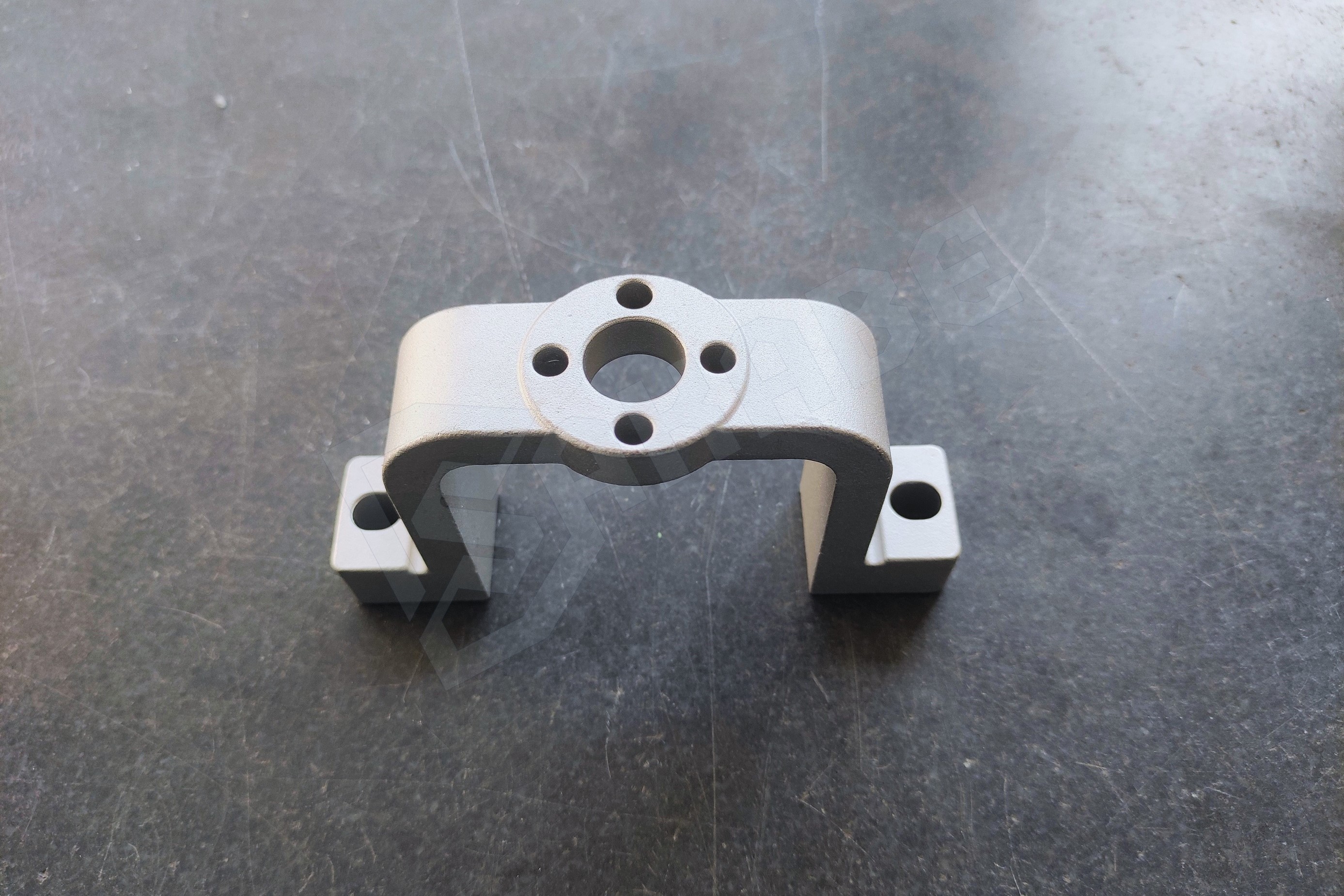

Advantages of Food Machinery Die-casting Parts in Manufacturing
Die-casting parts play a vital role in the manufacturing of food machinery, offering precision, strength, and design flexibility that enhance performance and reliability
2024/08/08

CONTACT US
Tel: +86 136-5494-1611
E-mail: alexzheng@sakabe.cn
Office Address:
No.18 Dongbei Qi Street, Jinpu New Area, Dalian, Liaoning, China
Factory Address:
No.26 Fuan Street, Jinpu New Area, Dalian, Liaoning, China
